
Dance Video Index
In this database, you will find 373 dance videos which were collected from the 2023 to 2025 fiscal years under the auspices of the EPAD (Eternal Performing Arts Archives and Digital Theatre) .
Overview
-
The Maids
Everything can be told through the gestures of women". Inspired by Jean Genet's 'The Maids', a masterpiece of French avant-garde theatre, it premiered in Tokyo the previous November. Guided by Genet's words and boldly reinterpreted, the 'three' maids connect, share, snoop and reveal. The me inside myself, the you inside me (inside a woman). Keiko Katsumata (Sōmōjuku) and Yuri Sakurai (Zokucho no Tabi) were invited to join Mutsuko Tanaka for a celebration of women's butoh, in which their three personalities collide.
- Butoh-sha Tenkei Special Performance.
- Participated in the 4th OSAKA DANCE EXPERIENCE & the Hijikata Tatsumi '98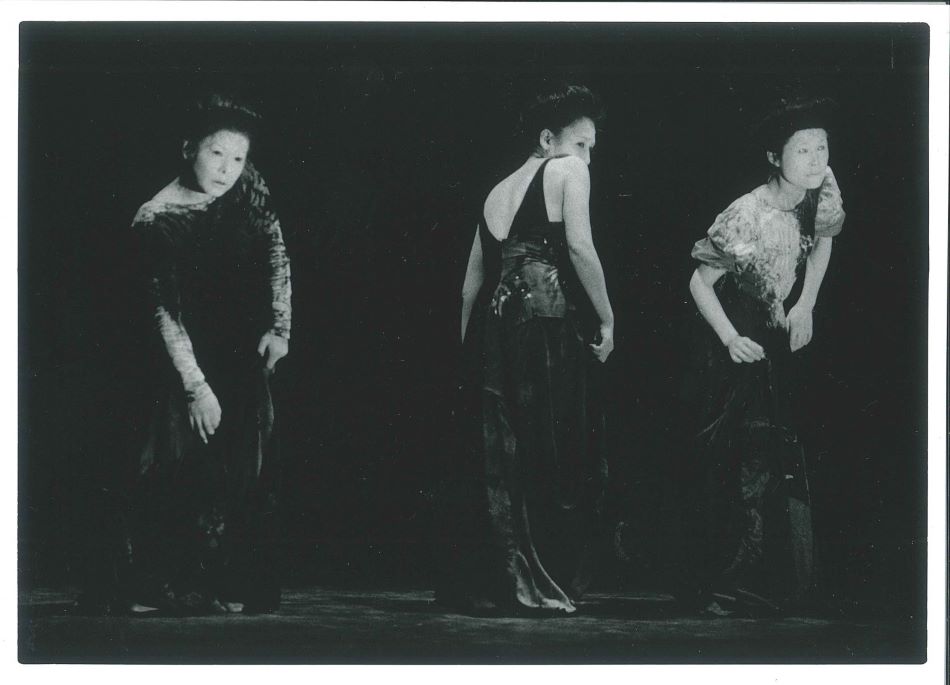
- Performer(s)
- TORII HALL
- Director/Choreographer
- Ebisu Torii
- Venue
- TORII HALL
- Year performed
- 1998
-
A Man in White
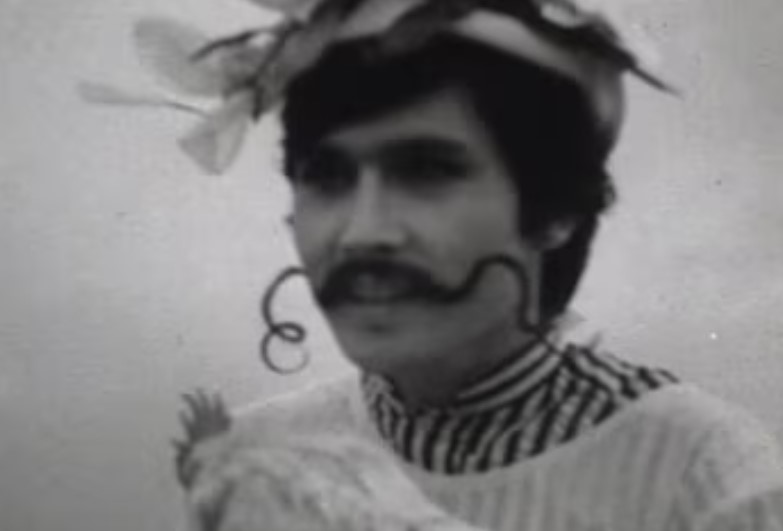
16mm film of Yoshito Ohno performing. It was discovered in Yoshito's home in 2018, and details of how it was filmed are unknown. A silent film, it was potentially a work in progress. The costume and make-up closely resemble Yoshito's poster from his solo performance in 1969, and it is speculated that it may have been recorded by the sea in Kamakura while he was preparing for his performance.
- Performer(s)
- Kazuo Ohno Dance Studio
- Director/Choreographer
- Yoshito Ohno
- Year performed
- 1969
-
Manual Waiter and others (from ‘Satie – Mamako – Suru’)
From 'Mamako the Mime: Satie - Mamako - Suru' performed in Shizuoka in 1988.
The event was arranged by pianist Omura Yoko, who invited Mamako to create work inspired by Erik Satie songs such as 'Gymnopédie'.
Works performed included: 'Acrobat', 'Sympathy for the Poor Eyesight Developed by a Word Processor and a Barcode', 'The Eggplant-shaped Japanese and Bean-shaped foreign worker', 'Manual Waiter' and 'Glass Castle'.- Performer(s)
- Mamako Yoneyama
- Director/Choreographer
- Mamako Yoneyama
- Venue
- Sizuoka City Culture Hall
- Year performed
- 1988
-
The March of the Lemmings
During an abnormal outbreak, lemmings migrate in groups, sometimes dying in large numbers while crossing rivers and such.
This has given rise to a theory that this is a form of selection, influencing the view of human cultural history.
This performance depicts the lemming's dance of death.
In the midst of an unusual outbreak, a dancing frenzy suddenly erupts. The whole group, except for the blind lemming (Wakamatsu), dances wildly and joyfully while jumping into a river to drown.
The blind lemming stands still, and transforms into a human being.
The scene becomes a street corner. A pregnant woman, holding the hand of an infant, passes by.
- Performed at the '89 Modern Dance Performance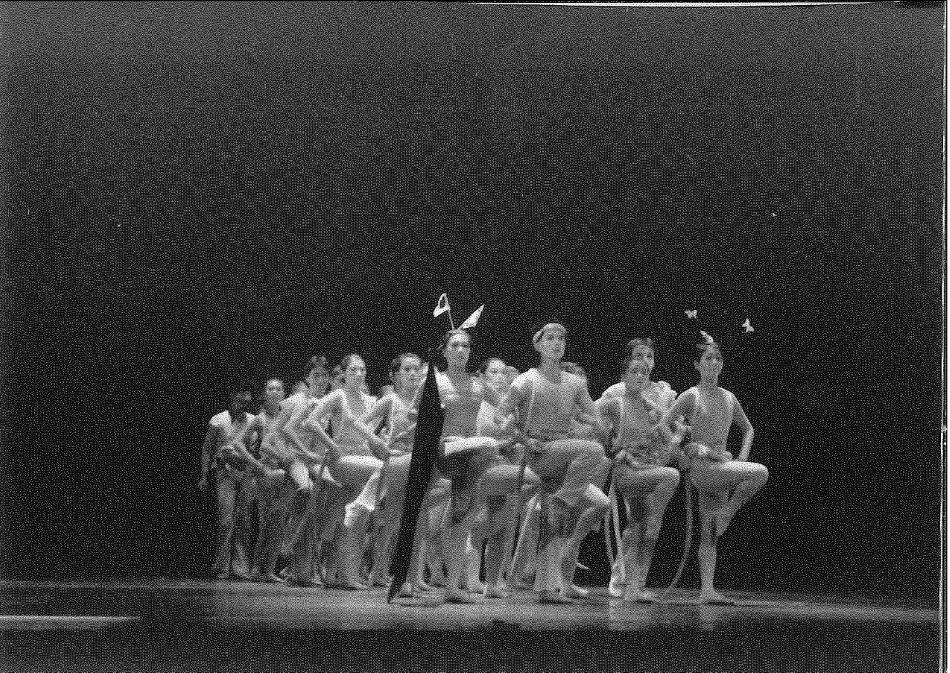
- Performer(s)
- Wakamatsu Miki & Tsuda Ikuko Free Dance Performance
- Director/Choreographer
- Miki Wakamatsu,Ikuko Tsuda
- Venue
- Tokyo Post Saving Hall
- Year performed
- 1989
-
Masaki Iwana Anthology 1989-1993
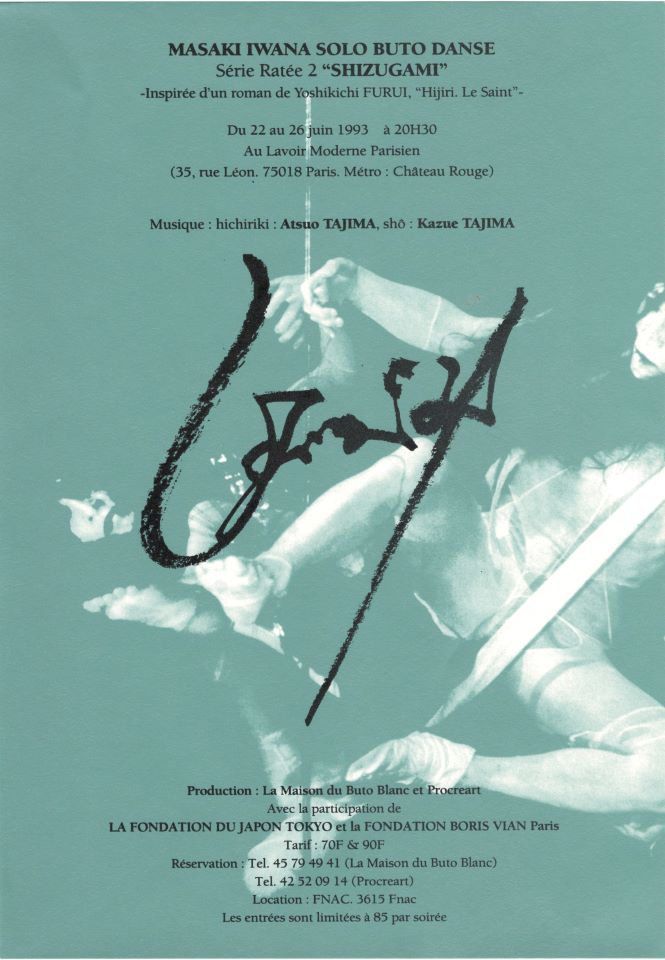
Solo butoh performances by Masaki Iwana in Europe 1989-1993: 'Sokkyō' [Improvisation] (Helsinki, 1993), 'Susabi' (Espace Boris Vian, Paris, 1989), 'Reikyoku' [Hibernation] (1990), 'Hikari no Niku' [Meat of Light] (Théâtre des Amandiers, 1991), 'Mizuhiki ni Kochō' [Knots and Butterflies] (Théâtre Montorgueil, 1992), 'Shizugami' (Lavoir Moderne Parisien, 1993).
- Performer(s)
- Masaki Iwana
- Director/Choreographer
- Masaki Iwana
- Venue
- Espace Boris Vian/Théâtre des Amandiers/Théâtre Montorgueil/Lavoir Moderne Parisie
- Year performed
- 1989
-
Materiality and Freedom of Seeing (Tokyo Scene 88)
TOKYO SCENE 88 featured four works between 8-11 December 1988, with the theme ""pure collaboration between space and acoustic sound"". On the third day was a collaborative piece with Goji Hamada's installation/performance, and Kiyoshi Matsumoto's improvised cello music.
Part 1: Performance (In a Black Cage 'I' Sing)
Part 2: Talk (Kiss my Body with Words)
Part 3: Performance ('I' Sleep Outside the Cage)- Performer(s)
- Studio 200
- Director/Choreographer
- Goji Hamada
- Venue
- Studio 200
- Year performed
- 1988
-
Melancholia – A Portrait of M
A collaborative piece featuring butoh dance by Mitsuyo Uesugi and film by Makiko Takamatsu. The performance took place in autumn 2021, under the still-restrictive circumstances of the COVID-19 pandemic. It was created with the intention of reexamining the meaning of "reality" in a world where, in order to prevent the spread of infection, most performances were not being held in real-life spaces, and audience interaction was largely digital. The venue was a plaza beneath the railway tracks in Koganecho, Yokohama, which served as a special open-air venue where passers-by could come and go.
-DANCE DANCE DANCE @ YOKOHAMA 2021
-DIGITAL//REALITY International Butoh Festival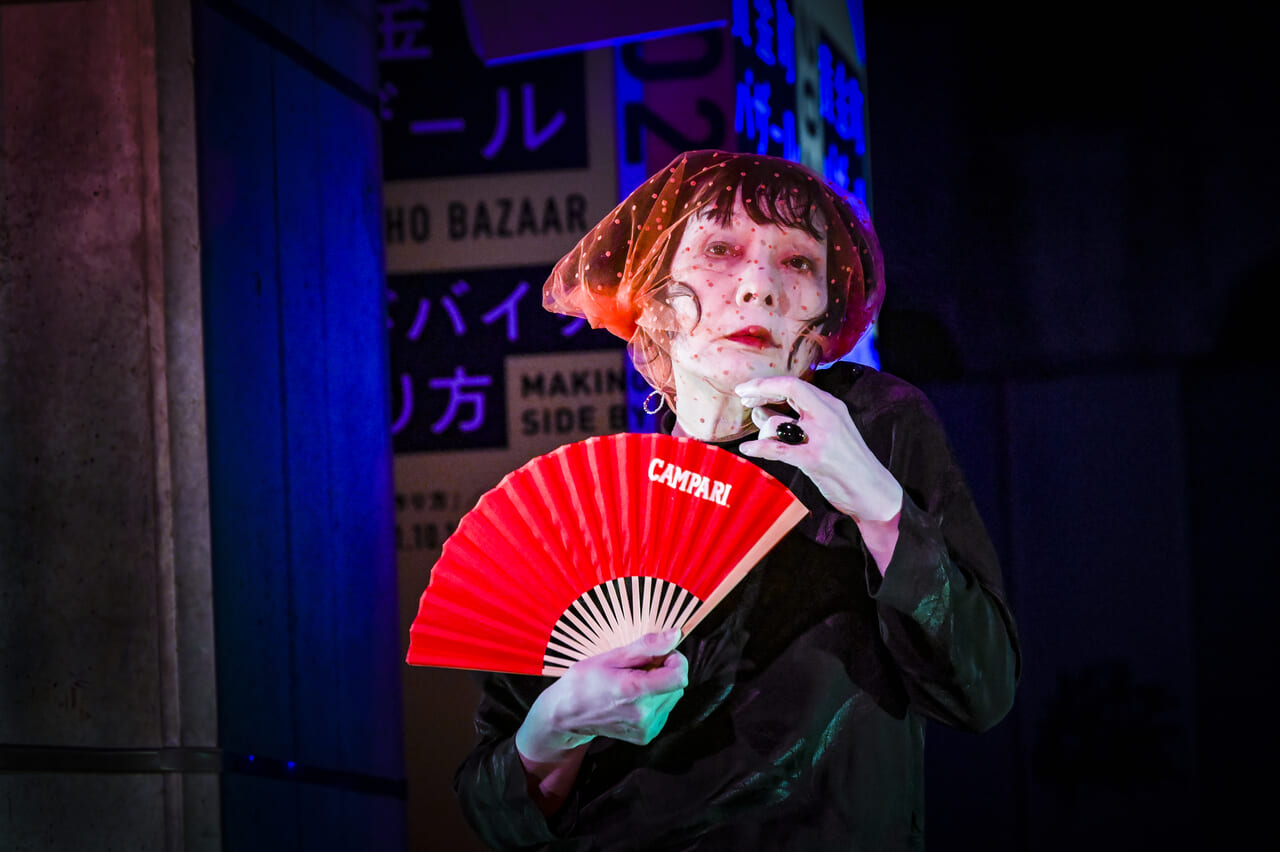
- Performer(s)
- Mitsuyo Uesugi
- Director/Choreographer
- Mitsuyo Uesugi
- Year performed
- 2021
-
The Merry Hatter
Known for her distinctive style, including the use of jazz (which at the time was considered "trendy" but unsophisticated) Mitsuko Ando appeared on numerous dance programs on both NHK and commercial television from the beginning of Japan's television broadcasting in 1953. "The Merry Hatter" was broadcast in 1957 on NHK's program "Ballet". The work is structured as three short pieces inspired by the hats handled by a milliner, portrayed by Shigeru Fujita, who was also known as a pupil of Eliana Pavlova. The first piece is a group dance performed by female dancers; the second is a duet by Mitsuko Ando and Kan Horiuchi. The third piece, a group dance for men and women, features Tatsumi Hijikata.
- Mitsuko Ando later changed her name to Noriko Ando. "Kunio Hijikata" was later known as Tatsumi Hijikata, and Akiko Zushi was the maiden name of Akiko Ohara, who later founded the Ballet Yuba in Brazil.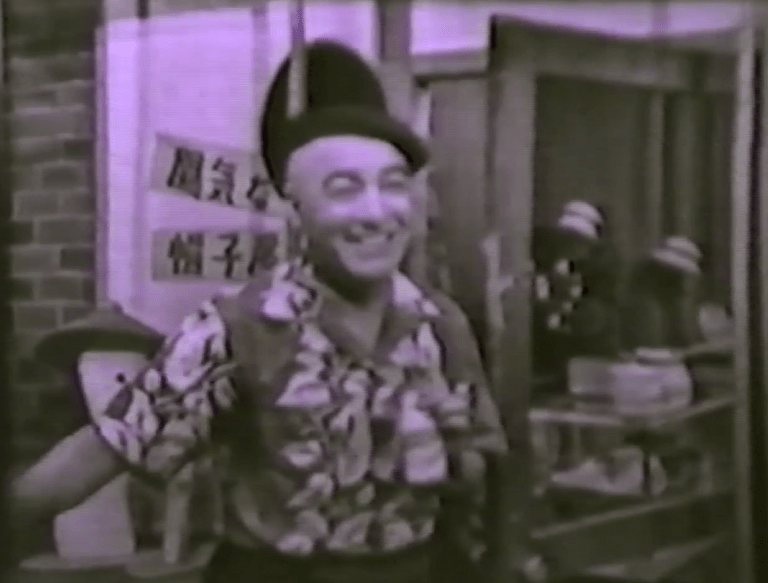
- Performer(s)
- Mitsuko Ando Dance Company
- Director/Choreographer
- Mitsuko Ando, Kan Horiuchi
- Venue
- NHK Studio
- Year performed
- 1957
-
Dance Oral History: Reflections on Ando Mitsuko’s “The Merry Hatter”
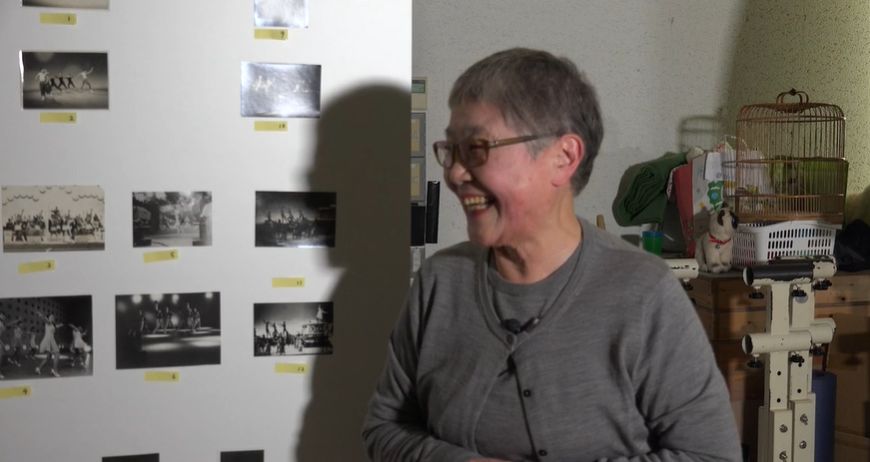
An oral history of dance in which participants recount their experiences while viewing archival footage. The speaker in this video is Tatsuko Konishi (née Yuasa), who began studying under Mitsuko Ando (later known as Noriko Ando) in 1950 and later devoted considerable effort to training younger generations, including teaching in the Department of Performing Arts at Osaka University of Arts. The Mitsuko Ando Dance Company also included Tatsumi Hijikata, then a modern dancer, who performed alongside Konishi in early television programs during the medium’s formative years. Although footage from television programs of that era rarely survives, Konishi reflects on those days while watching the fortunately rediscovered "The Merry Hatter."
- Performer(s)
- NPO Dance Archive Network
- Year performed
- 2025
-
Metaphysical Emotion V – Dew of a Wildflower
""How can we be, how can we erase these bodies that feel warm and cold, and be as a wildflower in the field?""
Butoh dancer Tomiko Takai (1931-2011), who studied under Kazuo Ohno and Tatsumi Hijikata, began her 'Metaphysical Emotion' series in 1967 under Hijikata's direction. Takai presented 'Part II' in 1986, and continued the series for the rest of her life. 'Dew of a Wildflower' is 'Part V', and was performed in Frankfurt and Paris. Several characters make an appearance in the work, including a fiancée, a pregnant woman and an old woman looking back on her past.- Performer(s)
- Studio 200
- Director/Choreographer
- Tomiko Takai
- Venue
- Studio 200
- Year performed
- 1990
-
Metasequoia
Group work with over 20 dancers, created by Tadashi Endo. The theme of the work is how important nature is to humans, inspired by the experience of Endo's father, a school headmaster who was motivated to rebuild a school that had burnt down after seeing a metasequoia tree that sprouted in its place.
-Mamu Festival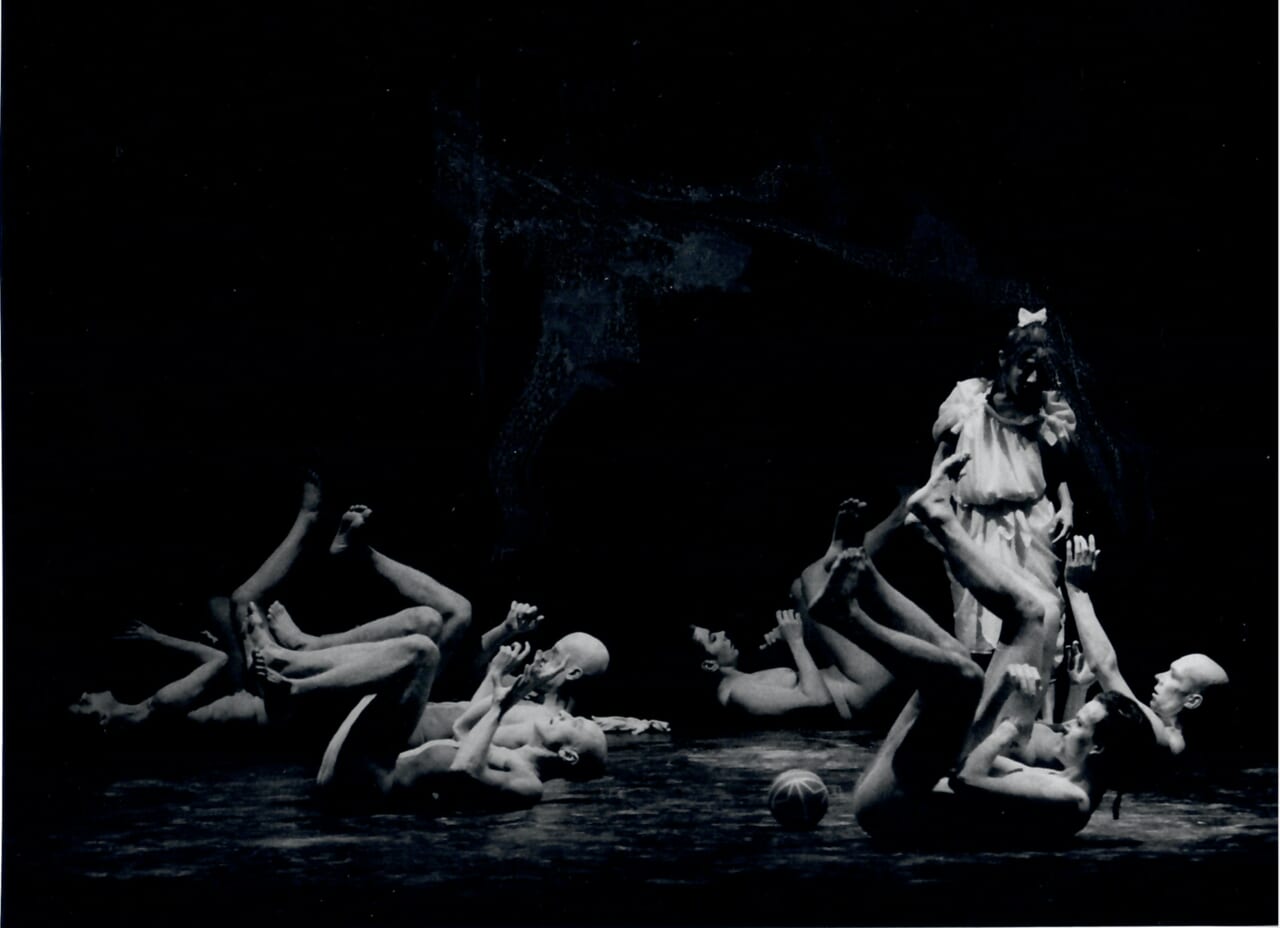
- Performer(s)
- Tadashi Endo (Butoh Centre MAMU)
- Director/Choreographer
- Tadashi Endo
- Venue
- Junges Theater Göttingen
- Year performed
- 1993
-
Mettarohozu
A scene from a dance therapy presentation held at Seinan Hospital, a psychiatric hospital in Hachinohe, Aomori. Sessions were initially held by Mitsutaka Ishii, who went on the invitation of photographer Mitsutoshi Hanaga. However, after Ishii began teaching at other hospitals, other butoh dancers such as Man Uno also began teaching here. Ishii later stated that butoh therapy is 'the truest form of human beings'.
The 1981 presentation 'Baroquekikizu' was credited as a dance therapy event. However, this film of 'Mettarohozu' is credited as a butoh therapy event."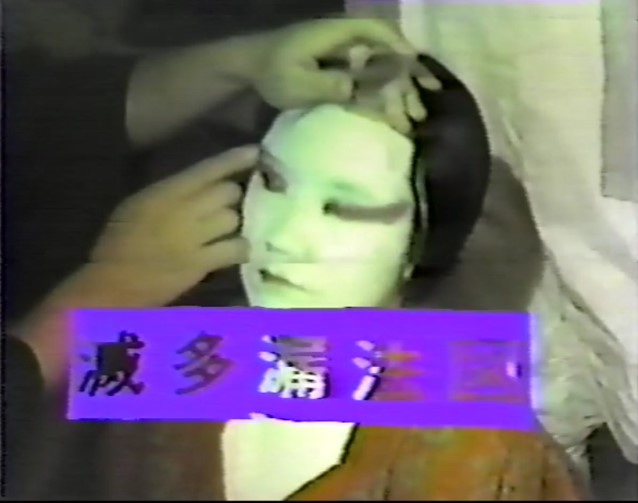
- Performer(s)
- Seinan Hospital
- Director/Choreographer
- Hajime Chiba
- Venue
- Seinan Hospital (Aomori)
- Year performed
- 1982
-
Minotaur Disco
A new piece choreographed and directed by the Tokyo Real Underground artistic director Takao Kawaguchi, performed by butoh dancer Daisuke Yoshimoto and contemporary dancer Naoyuki Sakai. Divided by several generations, the two performers form a new dance as monsters of a labyrinth. Filmmaker Akihiro Suzuki invites us into a world reminiscent of the 1960s underground film scene, of something more than a simple recording of a stage performance.
-- Holding your breath in the deep, dark labyrinth as footsteps approach. Ah, mon amour!
Unable to suppress your emotions, you run and take them into your arms, singing and dancing. Je t’aime, je t’aime.
You don’t realise the footsteps were your own. -- Takao Kawaguchi
-Takao Kawaguchi Selection: Un Certain Regard
-Tokyo Real Underground (Tokyo Tokyo FESTIVAL Special 13): 1 April - 15 August 2021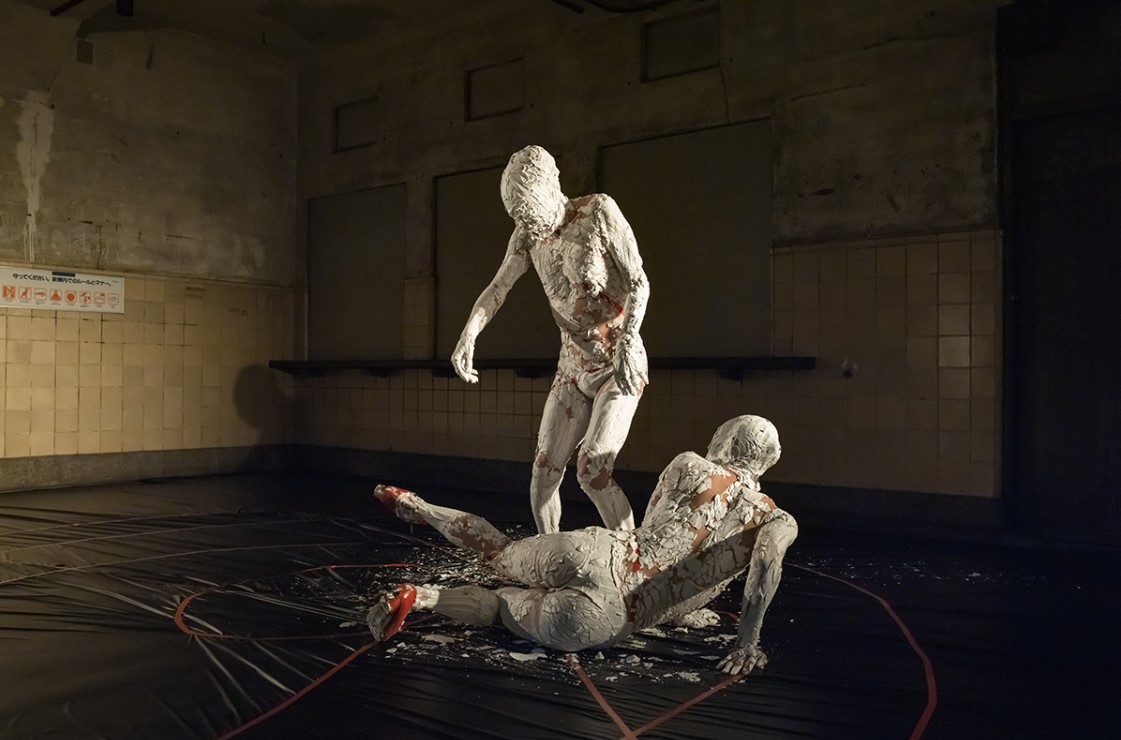
- Performer(s)
- NPO Dance Archive Network
- Director/Choreographer
- Takao Kawaguchi
- Venue
- Filmed at the former Hakubutsukan Dobutsuen Station [Museum Zoo Station]
- Year performed
- 2021
-
Dance Video: Miracle Report
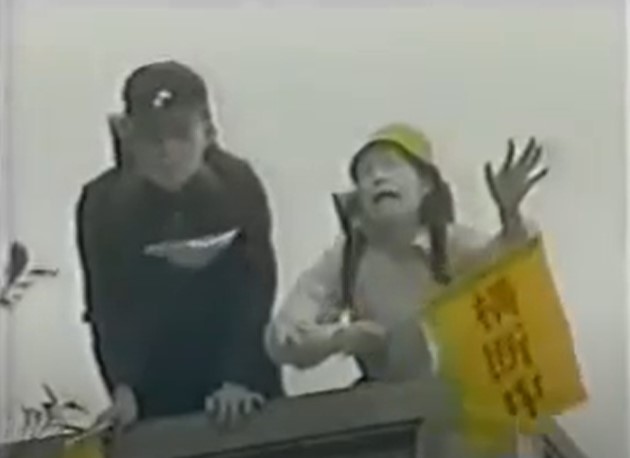
"Miracle Report" is an experimental dance/art video by Byakko-sha, directed and edited by video artist Kyu Seigen. The four-part work ("Gourmet", "Giger", "Alice" and "China Town") was filmed during their 1986 tour of Taiwan.
- Performer(s)
- Byakko-sha
- Director/Choreographer
- Seigen Kyu, Jun Abe, Isamu Osuka
- Venue
- Filmed in Taiwan
- Year performed
- 1986
-
MOKUJIKI
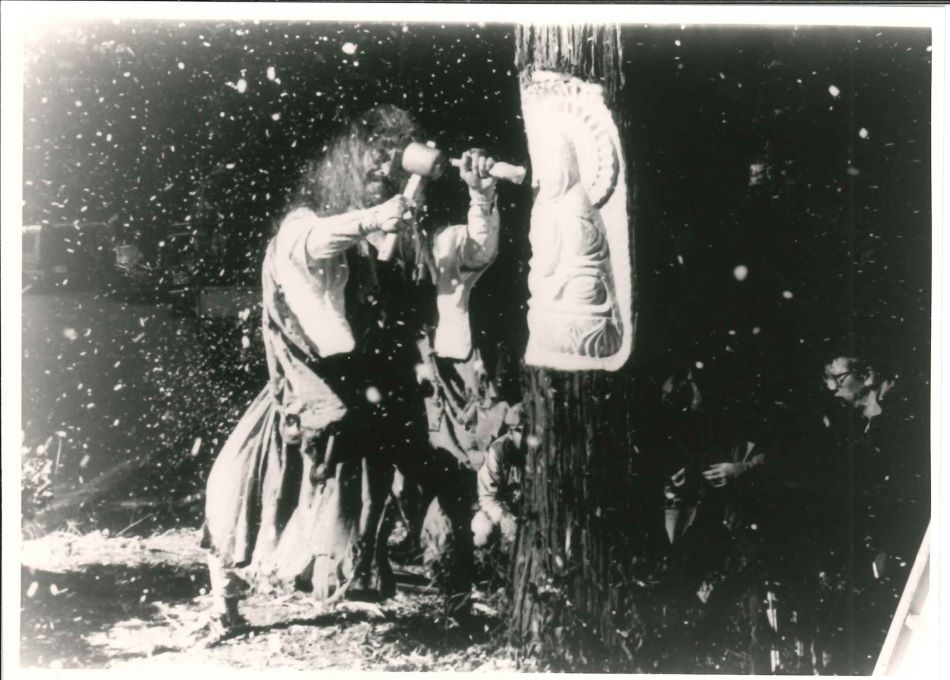
UHF Television Yamanashi's 20th anniversary programme 'Travel... the man who became a smiling Buddha: Retracing the steps of Mokujiki Shōnin over 20,000km'. The programme retraces the footsteps of Mokujiki Shōnin, who until the age of 93, travelled from Hokkaido to Kyushu at the end of the Edo period carving Buddha statues with iconic smiles, which later came to be known as 'Smiling Buddhas'. Starring Teru Goi, a butoh dancer from Hokkaido.
- Performer(s)
- Television Yamanashi Co.,Ltd.
- Year performed
- 1989
-
A Moment of Flower
Yukio Suzuki's solo work, in collaboration with photographer Saki Yagi.
In this work, the photographer also exists on stage with the dancer, shooting live and projecting images using a projector. The photos she took are projected on the wall after a short delay, and overlaps with the actual dancer. The audience witnesses the accumulation of time. This is like time travel and the audience will feel like they become "the camera". This is a new experiential dance work.
Performed at:
New York Space CAVE, USA (2023)
the Headwaters theater, Portland USA (2023)
Teatre TRAM, Tokyo (2022)
Center line art festival, Tokyo (2021)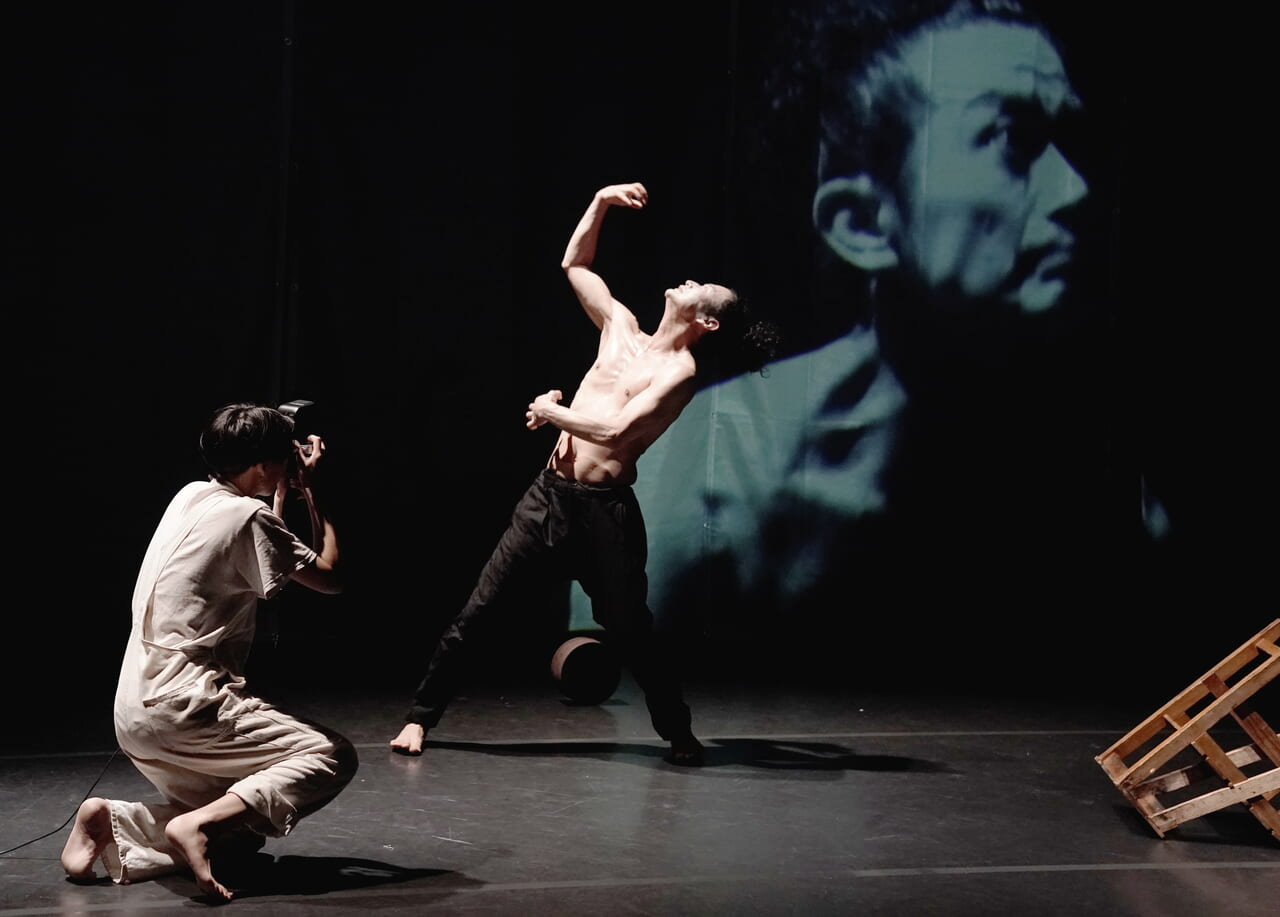
- Performer(s)
- YUKIO SUZUKI Projects
- Director/Choreographer
- Yukio Suzuki
- Venue
- Kita-kyushu Arts Theatre
- Year performed
- 2024
-
A Monkey (Presley) Trying to Catch the Moon
Byakko-sha perform a celebration of what would have been Elvis Presley's 50th birthday at the Tokyo Performance Art Festival. In the title "Monkey Trying to Catch the Moon," the word “monkey” is glossed with the reading “Presley.”
According to Isamu Osuka, it was “a dancing opera in which art, music, and dance form a three-way jam session, with the legendary Presley as our inspiration.” The music was provided by transcendental music group Mar-pa, who also accompanied Byakko-sha on their overseas tours, while the richly colorful costumes and stage design were created by Goro Fujii.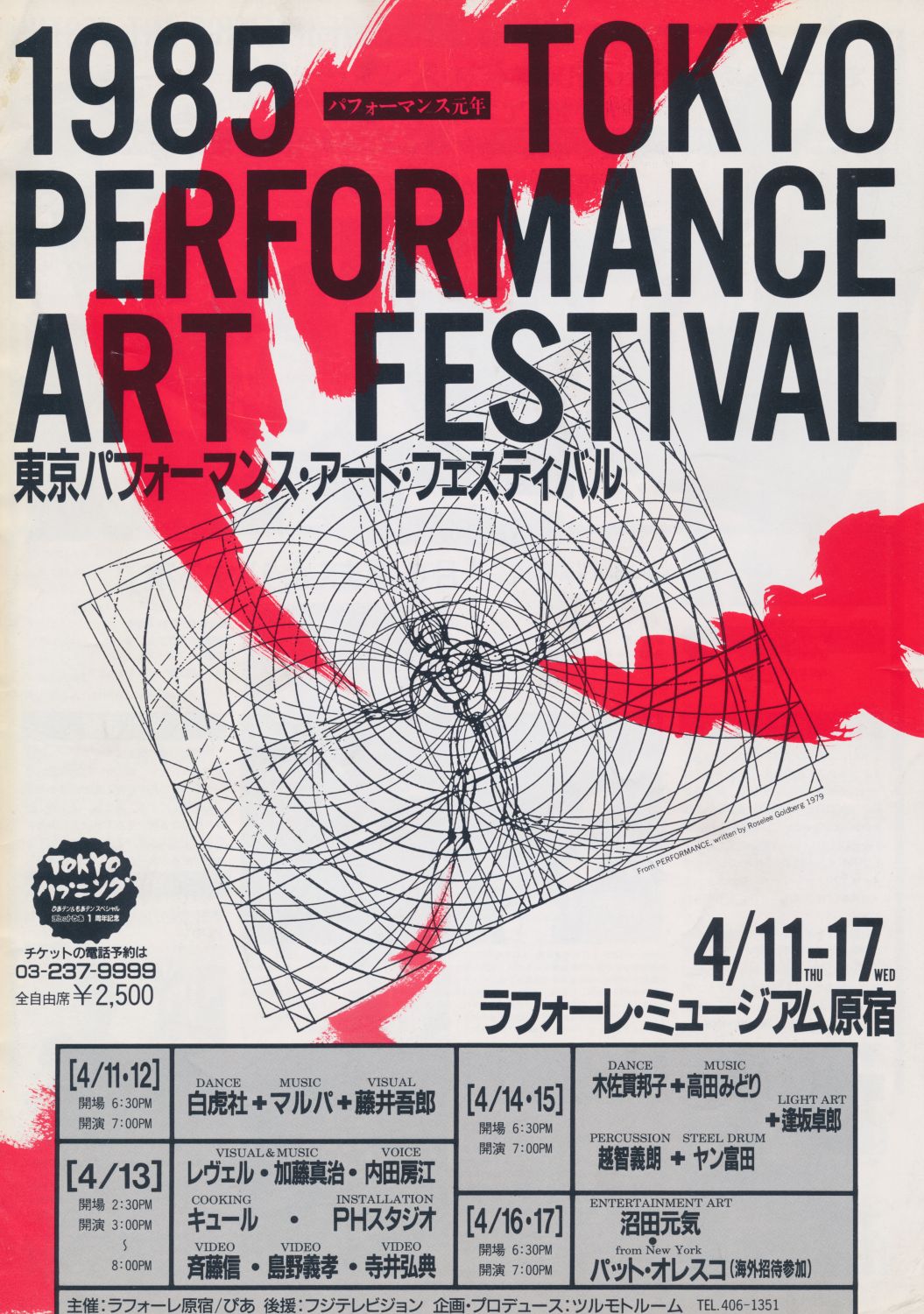
- Performer(s)
- Byakko-sha
- Director/Choreographer
- Isamu Osuka
- Venue
- Laforet Museum Harajuku
-
Moon of Day, Night and Morning
A girl, dead while living, dances wildly among countless parasols scattered around her... The parasols become bright red spider lilies, a toy windmill rattling in the wind... Seen as the 11-headed Avalokiteshvara, the girl lies at the bottom of a lake as the night moon rises in the void. The girl and a young man's journey towards chaos unfolds around the moon. The abundant and dynamic world of Katsuko Orita aims to discover a fundamental encounter between Form and Chaos.
-From the KATSUKO ORITA DANCE RECITAL
-The brains behind Orita's work during the 1980s were:
Script - Yuichi Konno
Artwork - Tetsuhiko Maeda
Lighting - Yuji Sawada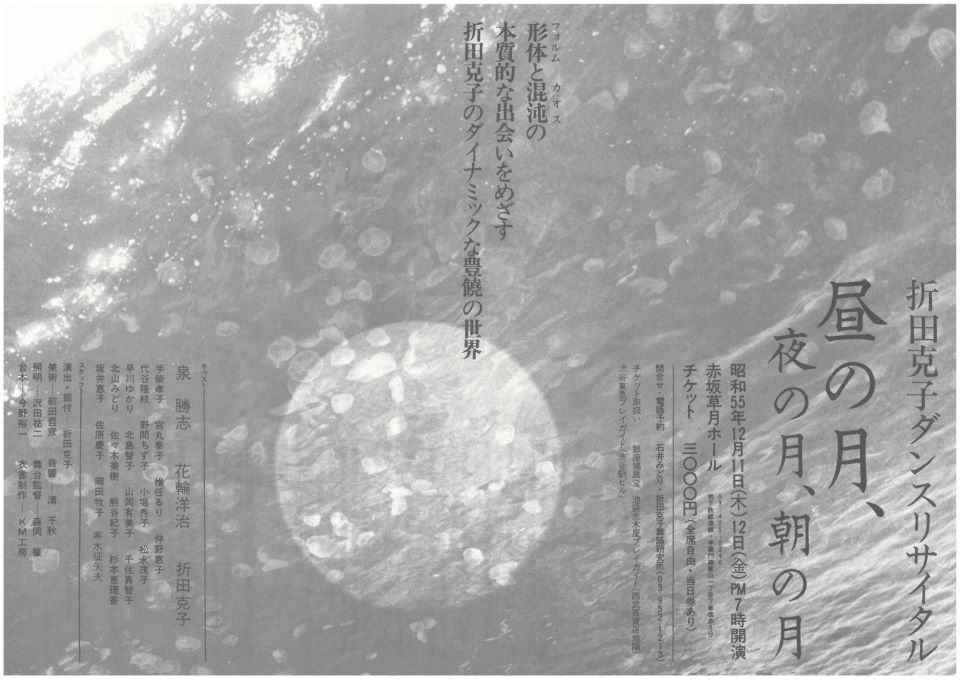
- Performer(s)
- Midori Ishii and Katsuko Orita Dance Studio
- Director/Choreographer
- Katsuko Orita
- Venue
- Sogetsu Hall
- Year performed
- 1980
-
Mu (illusion of Emptiness)
"Do-zan draws its inspiration from the Japanese performing arts of Noh Drama, Butoh and traditional Japanese Dance (Azuma Style). Each member of Dozan has travelled overseas to pursue intensive training in the Japanese performing arts, only to return to Australia to create works which are highly personal in nature, woven with the richness of Japanese movement techniques, costumes, characters and poetry. Yumi Umiumare created and performed ""Mu"" (illusion of Emptiness) whose program note reads:
Holding breath
Floating in the haze
Nurturing the point before
Releasing your breath sharply with a ""pah""!"
- Participated in the Castlemaine Festival
- The video was recorded in August, 1994 at St Carthage’s Church where Cherie Whitington, Jill Orr, Tony Yap and Yumi Umiumare presented their own pieces in DO-ZAN.
- Umimare's words are taken from the program for DO-ZAN presented at Castlemaine Library Hall.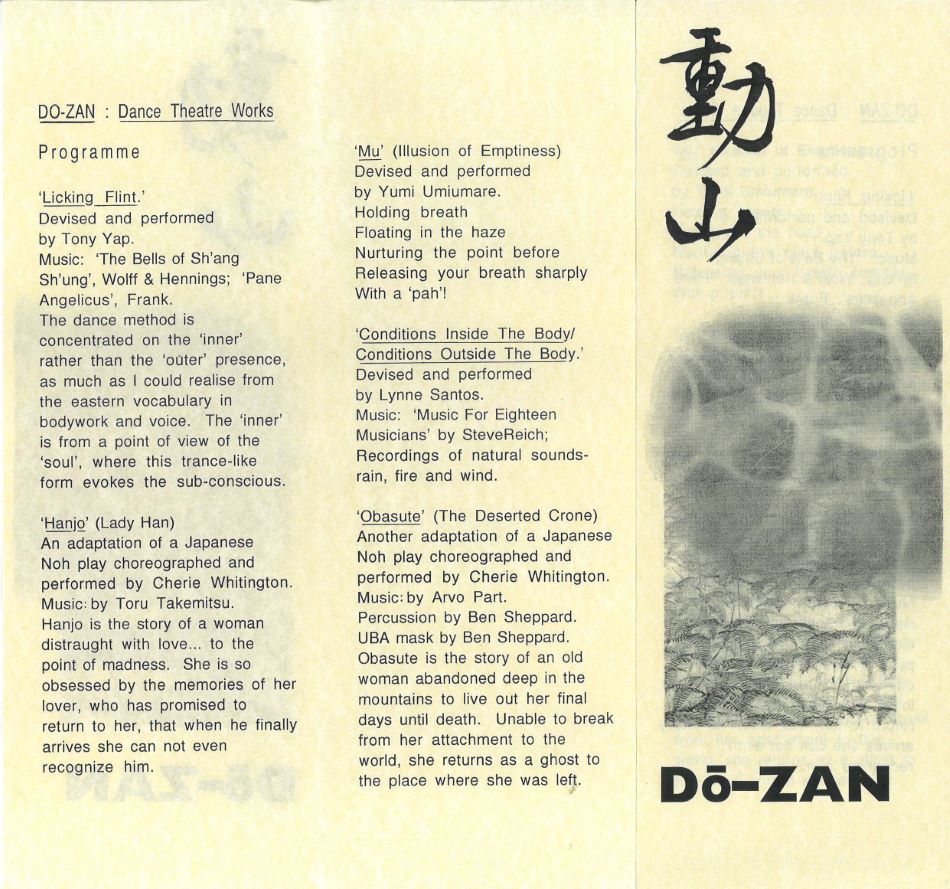
- Performer(s)
- Yumi Umiumare
- Director/Choreographer
- Yumi Umiumare
- Venue
- St Carthage’s Church
- Year performed
- 1994
-
Mushibiraki
Sending off Tatsumi Hijikata 'Mushibiraki' - Tohoku Butoh Masudama' was an event held in Masudama Village in Yamagata as a sending off event after the death of Tatsumi Hijikata in January 1986. According to the programme nearly 50 butoh dancers participated on 10 stages across the village. 'Mushibiraki' is what Hijikata referred to spreading costumes out on the verandah at the end of the rainy season.
In the film there are performances by Akiko Motofuji, Saga Kobayashi and Kazuo Ohno, with many other butoh dancers joining at the end. It also includes part of lectures.
- The film is presumed to have been recorded on 25 and 26 July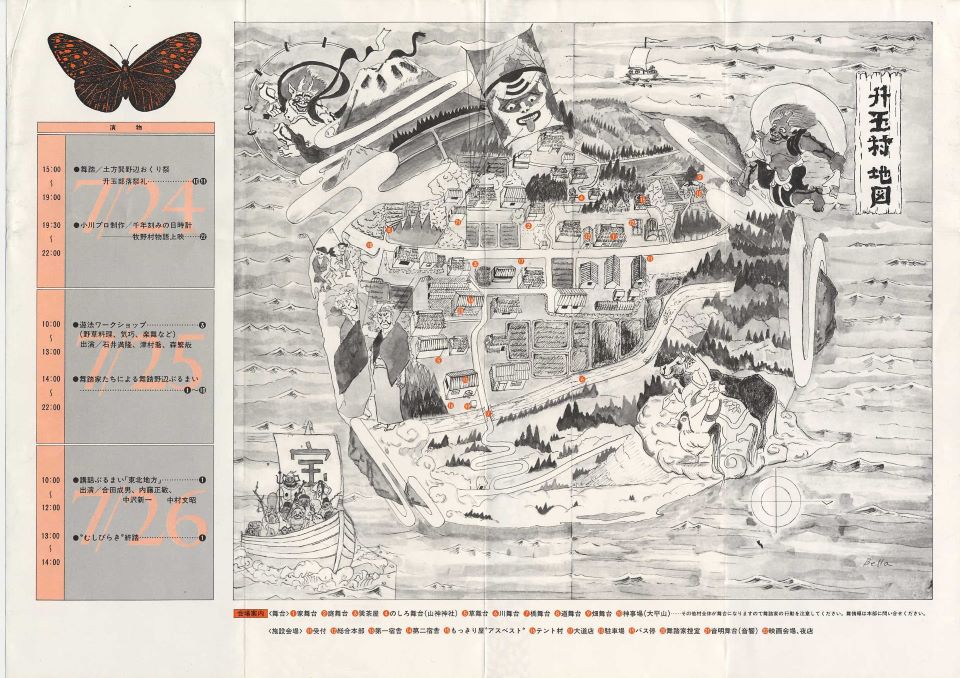
- Performer(s)
- Asbestos-kan
- Venue
- Masudama village, Yamagata Pref.
- Year performed
- 1987

