
Dance Video Index
In this database, you will find 373 dance videos which were collected from the 2023 to 2025 fiscal years under the auspices of the EPAD (Eternal Performing Arts Archives and Digital Theatre) .
Overview
-
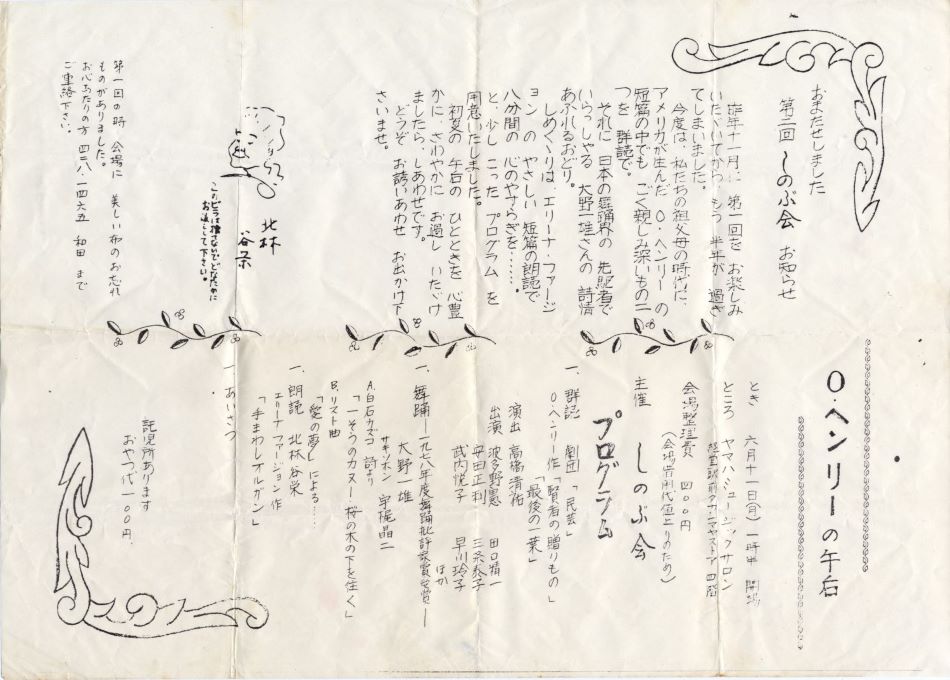
A Canoe going underneath a Cherry Blossom Tree / Dream of Love
Kazuo Ohno performed two works at the second 'Shinobu-kai' event which was arranged, it is thought, by Kitabayashi Tanie of the Mingei Theatre Company. 'A Canoe going underneath a Cherry Blossom Tree' was based on a poem by Kazuko Shiraishi, and was also performed at a memorial for Takaya Eguchi in February that same year. 'Dream of Love' performed to the song by Liszt comes from the end of 'My Mother', but Ohno often danced this as a single-song performance for such occasions.
- Performer(s)
- Kazuo Ohno Dance Studio
- Director/Choreographer
- Kazuo Ohno
- Venue
- Yamaha Music Salon (Tokyo)
- Year performed
- 1979
-
Can’t Get Started
Mutsuko Tanaka and Anzu Furukawa, two female performers who spent the 1970s together as part of Dairakudakan, perform their inaugural "Momi no Kai" performance. Momi is a thin silk dyed bright red using safflowers. The flyer includes a Japanese translation of the lyrics to "I Can't Get Started" by Ira Gershwin.
- Mutsuko Tanaka / Anzu Furukawa "Momi no Kai - The First Performances"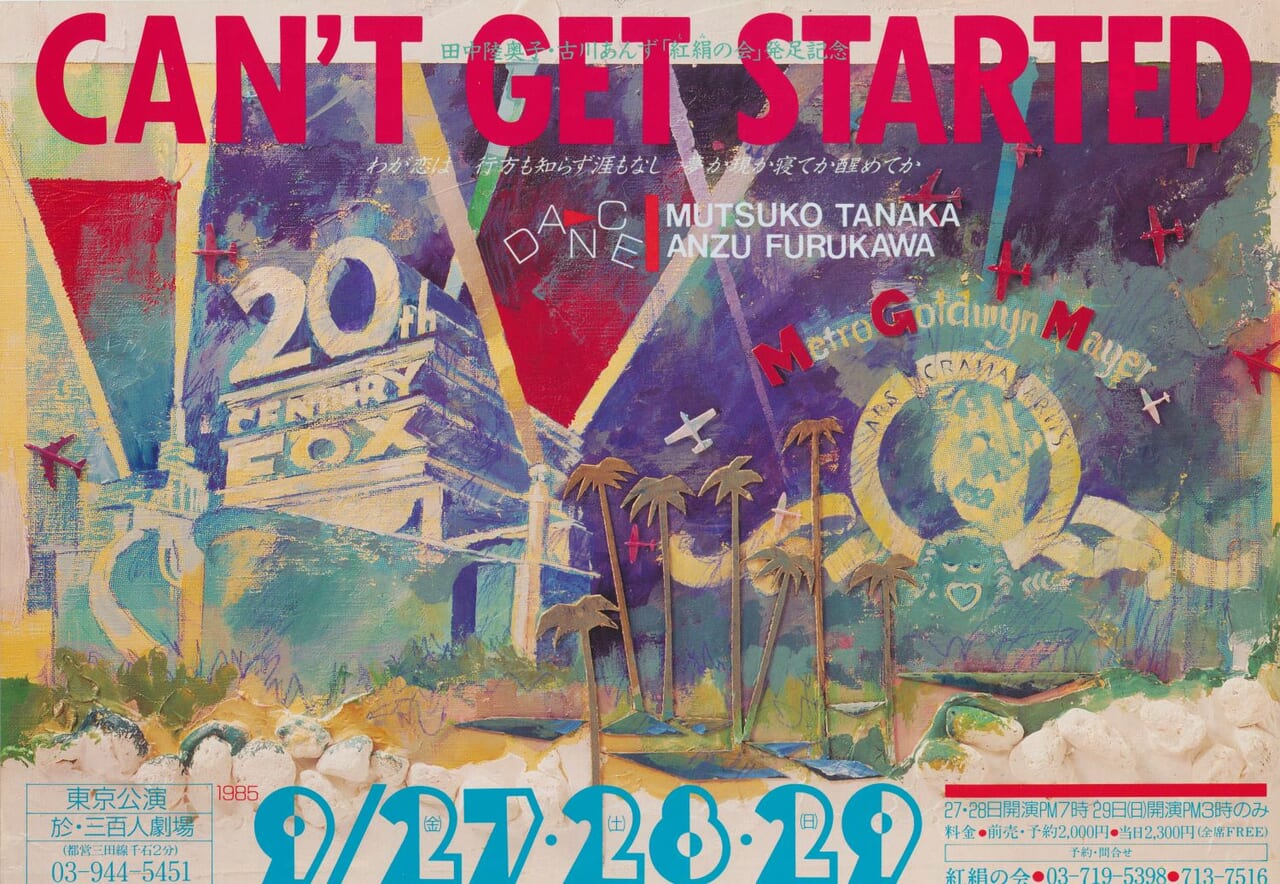
- Performer(s)
- Anzu Furukawa
- Director/Choreographer
- Anzu Furukawa, Mutsuko Tanaka
- Venue
- SANBIYAKUNINGEKIZIYO
- Year performed
- 1985
-
The Captive World – a New Interpretation of Dr Caligari
The ballet adaptation of 'The Cabinet of Dr Caligari', made famous by film director Robert Wiene.
The story is about the delusions of a mentally ill man. A doctor who experiments on human subjects, and kidnaps a woman. A man comes to save the woman but is also captured. The woman is driven mad by the experiments and the man is mentally manipulated. In the end the sick man believing he is the doctor, kills the doctor and the woman, and is himself engulfed in flames.
How much of this is fact and how much is delusion?
- Participated in the ACA National Arts Festival 1984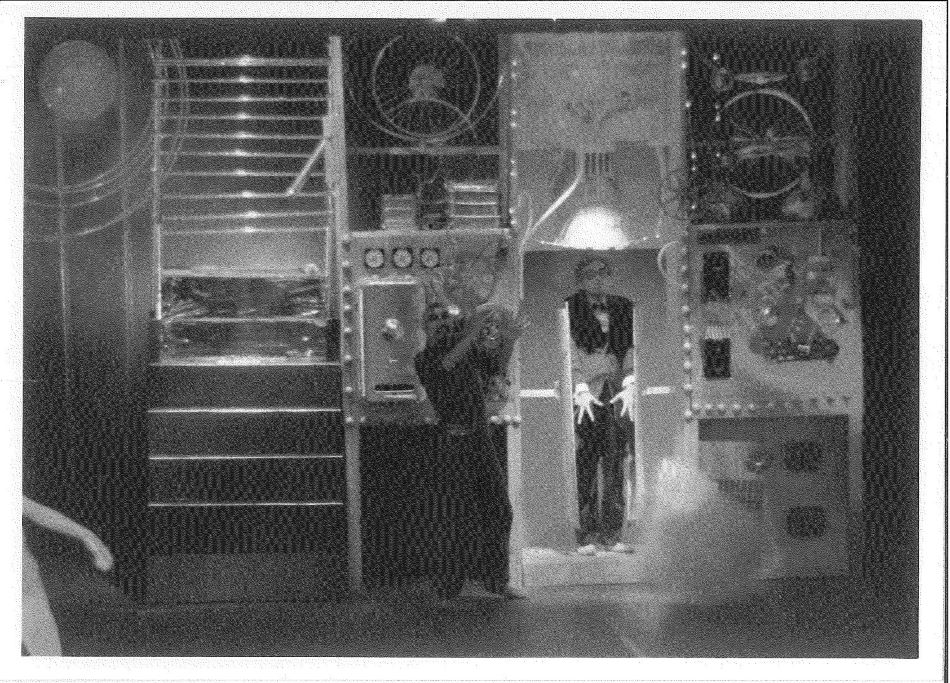
- Performer(s)
- Wakamatsu Miki & Tsuda Ikuko Free Dance Performance
- Director/Choreographer
- Miki Wakamatsu, Ikuko Tsuda
- Venue
- Yomiuri Hall
- Year performed
- 1984
-
Carmen Miranda – Homage to Kazuo Ohno
Dance theatre by Teatro Macunaíma, a leading contemporary theatre company based in São Paulo. Ever since admiring each others work at the Nancy International Theatre Festival in 1980, the director of Teatro Macunaíma Antunes Filho and Kazuo Ohno had a deep, lifelong friendship. This homage to Kazuo Ohno brings Ohno's work to light by way of Carmen Miranda, Brazil's most famous singer and film actress of the 20th century. Four dancers played the roles of Carmen as a girl, a young woman, a middle-aged woman, and an old woman. On 27 March, the final day of the performance, Kazuo Ohno appeared onstage in a wheelchair during the curtain call.
- Kazuo Ohno Festival Special Programme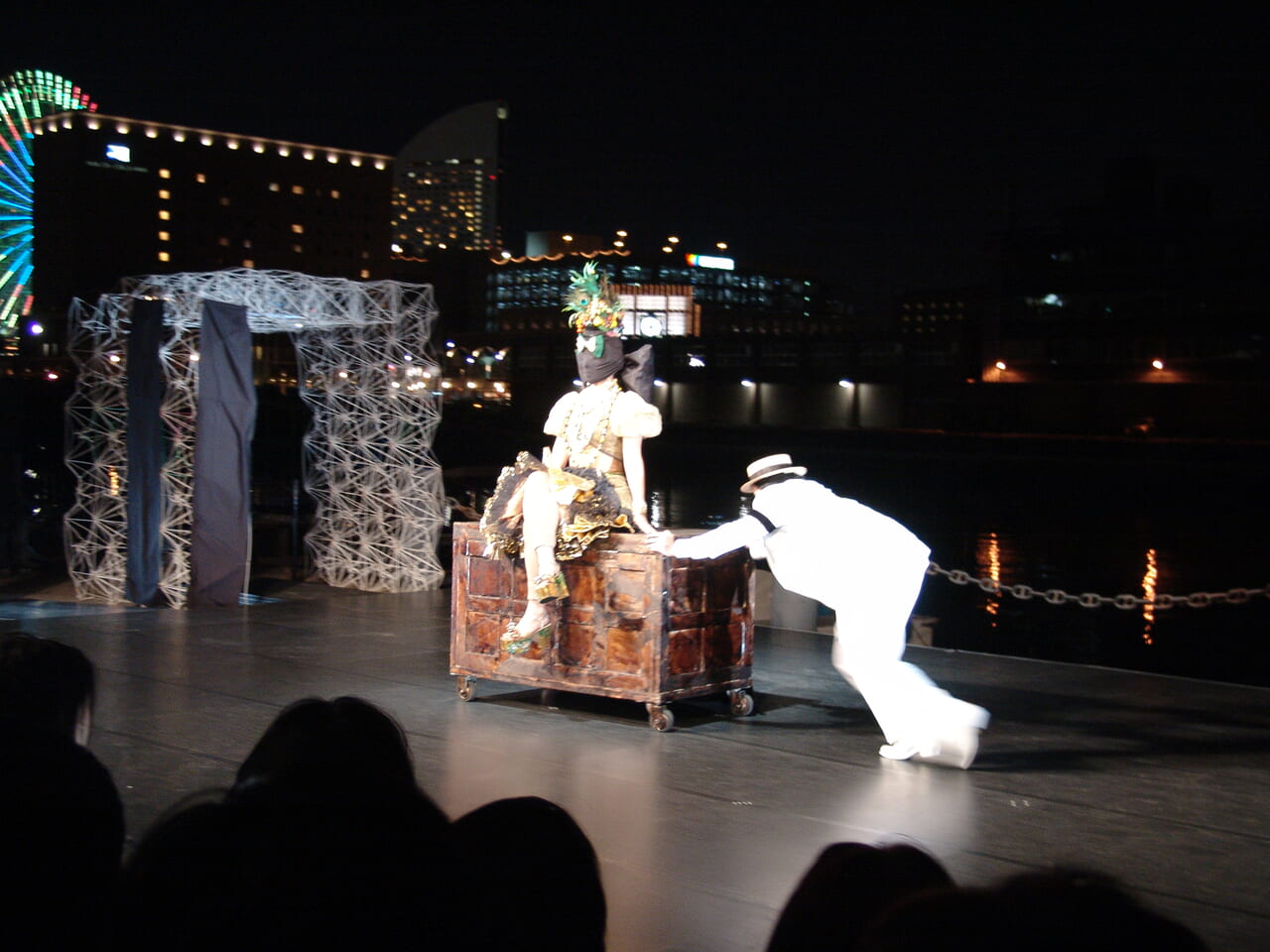
- Performer(s)
- Kazuo Ohno Dance Studio
- Director/Choreographer
- Antunes Filho
- Venue
- BankART Studio NYK
- Year performed
- 2005
-
Carmina Burana; Eternal Now; Alma Bella
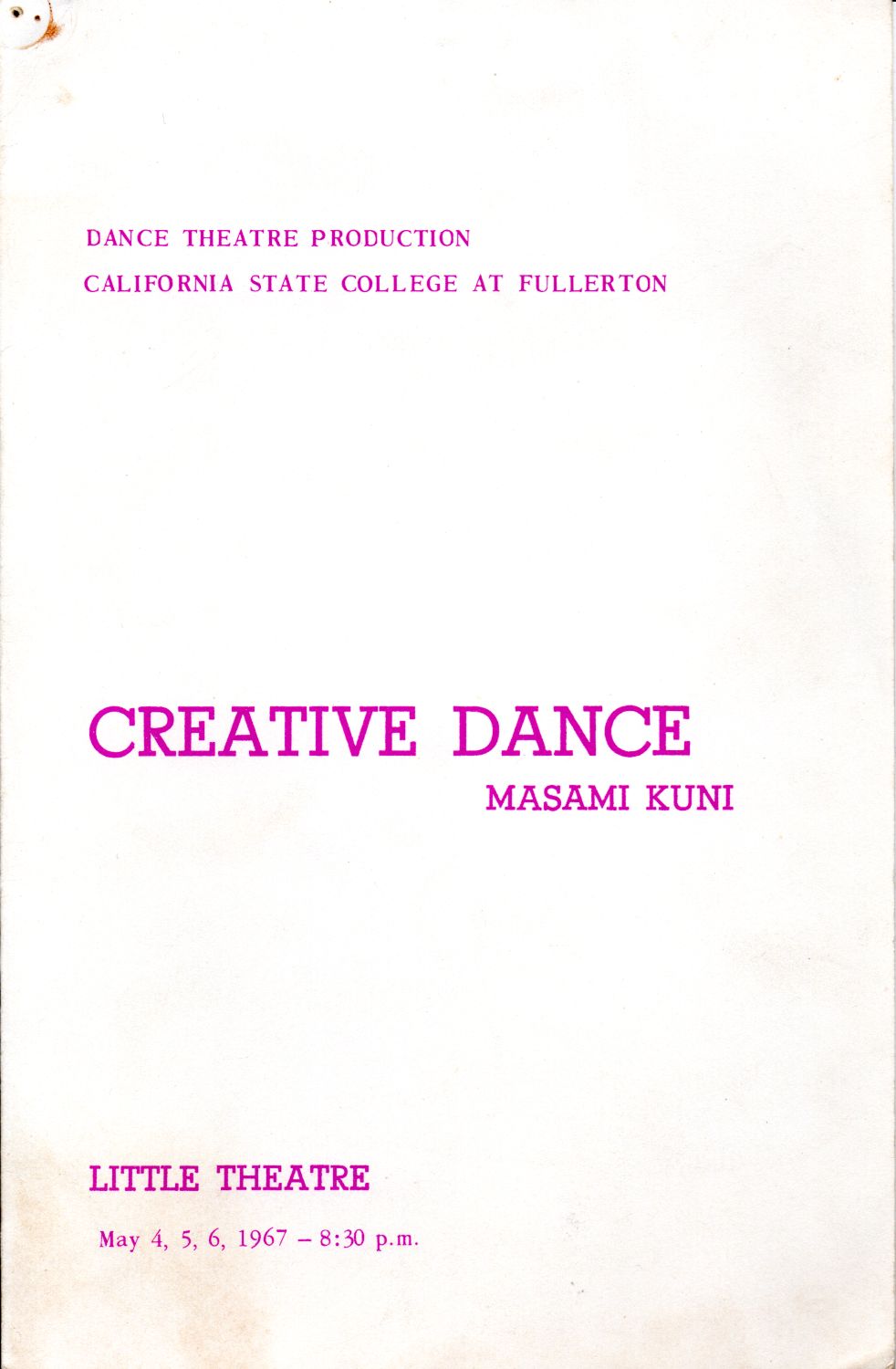
Masami Kuni was appointed Associate Professor in the Department of Theatre at California State University, Fullerton in 1964, later founding the Department of Dance and serving as its chair. Kuni’s approach to dance education emphasized holistic development, encouraging students to cultivate creativity through dance rather than becoming “instruments of dance.” “Carmina Burana” is a revival of four scenes choreographed by Kuni and performed in November 1966. “Eternal Now” is a scene from “Dance No. 3-18-6,” a work presented alongside “Carmina Burana” in November 1966. “Alma Bella” is a work centered on beauty and simplicity found only deep within the soul.
- Performer(s)
- Kuni Institute of Creative Dance
- Director/Choreographer
- Masami Kuni
- Venue
- The Little Theatre at California State University, Fullerton
- Year performed
- 1967
-
Celebration: antologia di KAZUO OHNO
In 1999, Kazuo Ohno was awarded the first Michelangelo Antonioni Award for the Arts. Two-days of performance "Celebration: antologia di KAZUO OHNO" [Celebration: An Anthology of Kazuo Ohno's Works] were held at Venice Biennale, with the award ceremony held on stage at the end of the first day. "Celebration" features excerpts from Kazuo Ohno's key works including "Admiring La Argentina", "My Mother" and "The Dead Sea", as well as the award ceremony.
- In commemoration of Kazuo Ohno receiving the Michelangelo Antonioni Award for the Arts
-Biennale Danza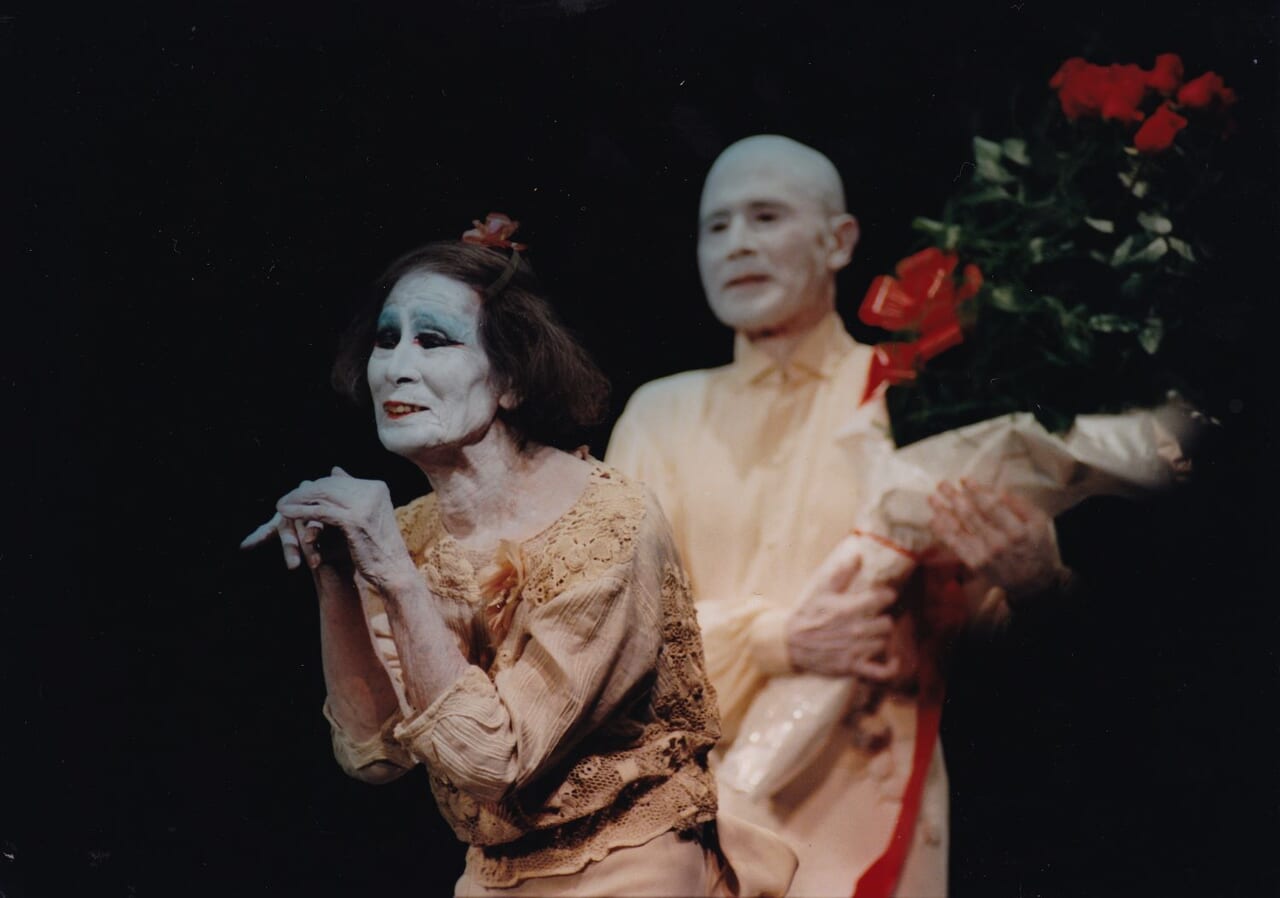
- Performer(s)
- Kazuo Ohno Dance Studio
- Director/Choreographer
- Yoshito Ohno
- Venue
- Teatro Carlo Goldoni
- Year performed
- 1999
-
Central and South America Tour Documentary
Footage documenting Byakko-sha’s final overseas tour. Although the company had performed in many parts of the world, this marked their first tour of Central and South America, where they staged "The Skylark and the Lying Buddha" in Mexico and Brazil.
The film focuses mainly on the everyday life of the tour, including scenes of the troupe making props. It also captures a visit to Las Pozas, the surrealist garden in Xilitla, Mexico, as well as moments at the company’s rehearsal space in Kyoto after their return to Japan. The following year, in 1994, Byakko-sha disbanded.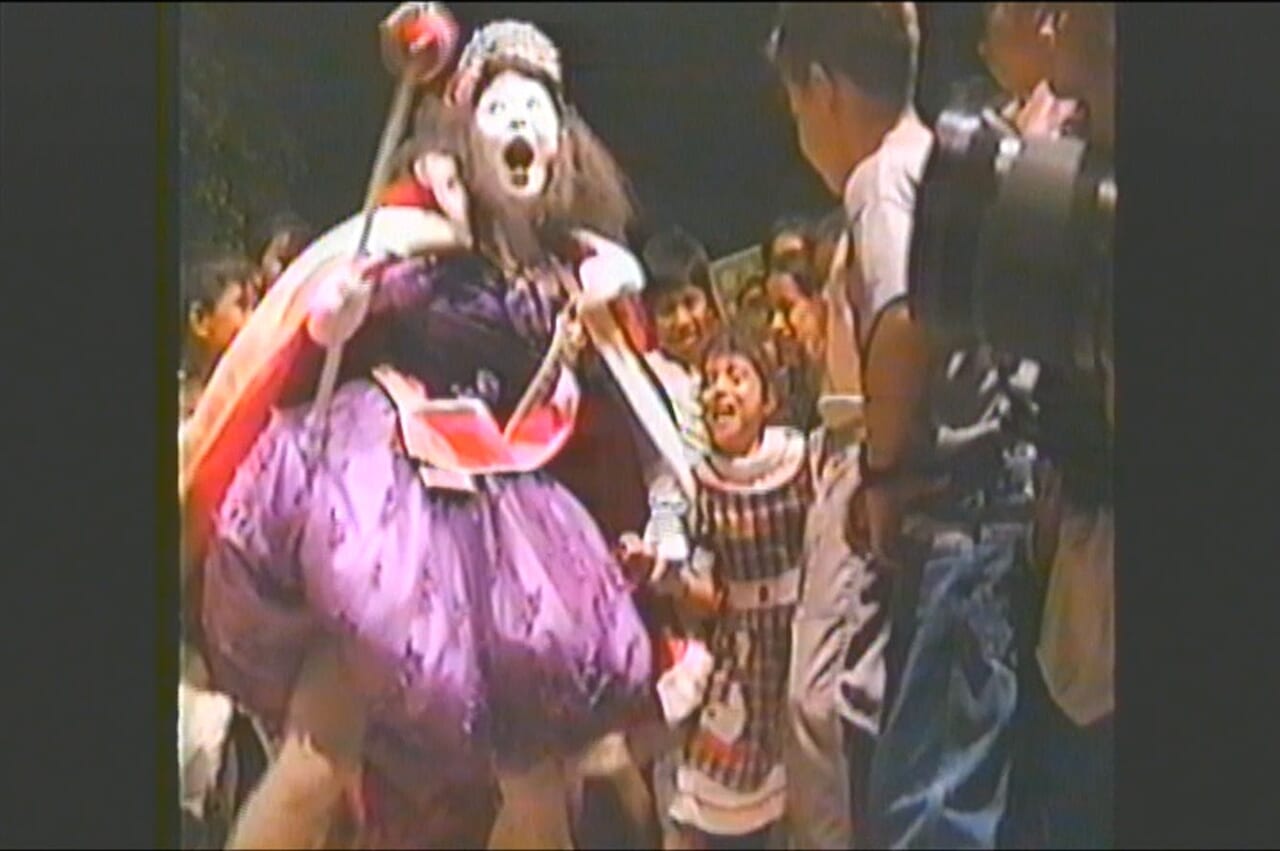
- Performer(s)
- Byakko-sha
- Director/Choreographer
- Byakko-sha
- Year performed
- 1993
-
Champing at the Bit
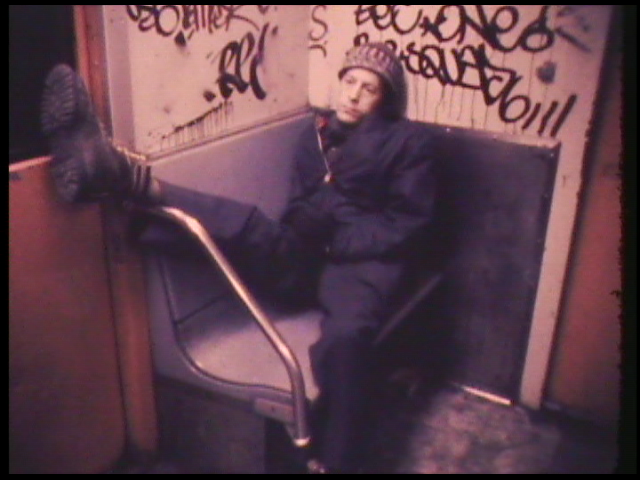
Shot in the subway of New York without permission in 1982. The members of the cast were the School of Hard Rocks.
- Performer(s)
- Yoshiko Chuma
- Director/Choreographer
- Yoshiko Chuma
- Venue
- New York
- Year performed
- 1982
-
City of Memories
The title of this piece - 'City of Memories' represents the time we send on memory and unconsciousness. It is a dance that expresses, with contemporary originality, the time in which many lives are interwoven, their histories, the instantaneous energy of people and the mysterious aspects of nature and humans which cannot be fully understood. It is an early work in which Katsuko Orita began creating group performances.
-Awarded the Dance Critics Society Award
-Presented at the Katsuko Orita Dance Recital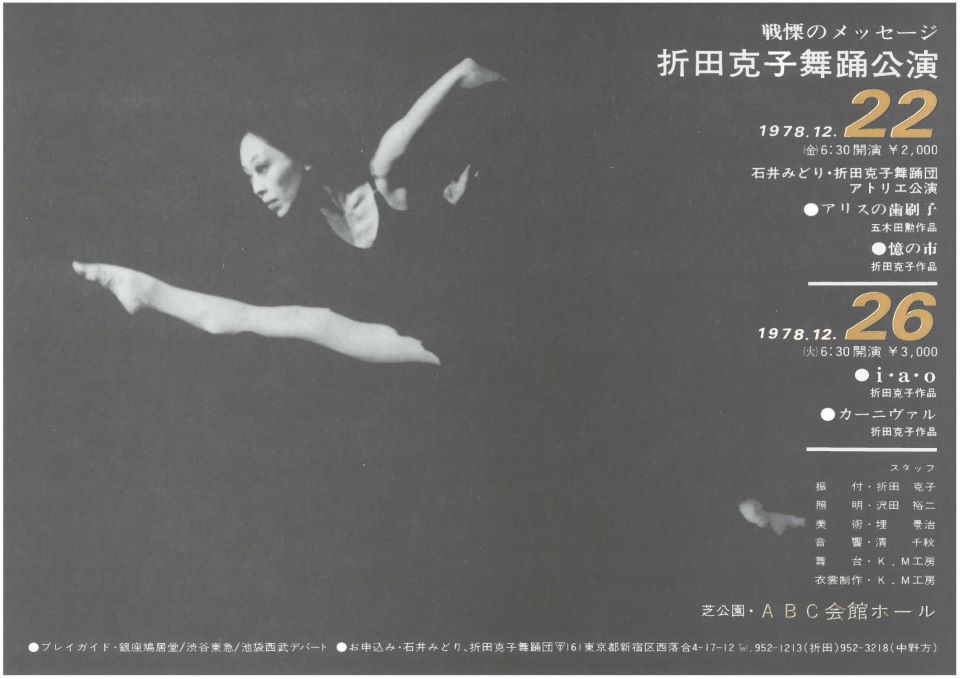
- Performer(s)
- Midori Ishii and Katsuko Orita Dance Studio
- Director/Choreographer
- Katsuko Orita
- Venue
- ABC Hall
- Year performed
- 1978
-
Clear-Eyed Spirits
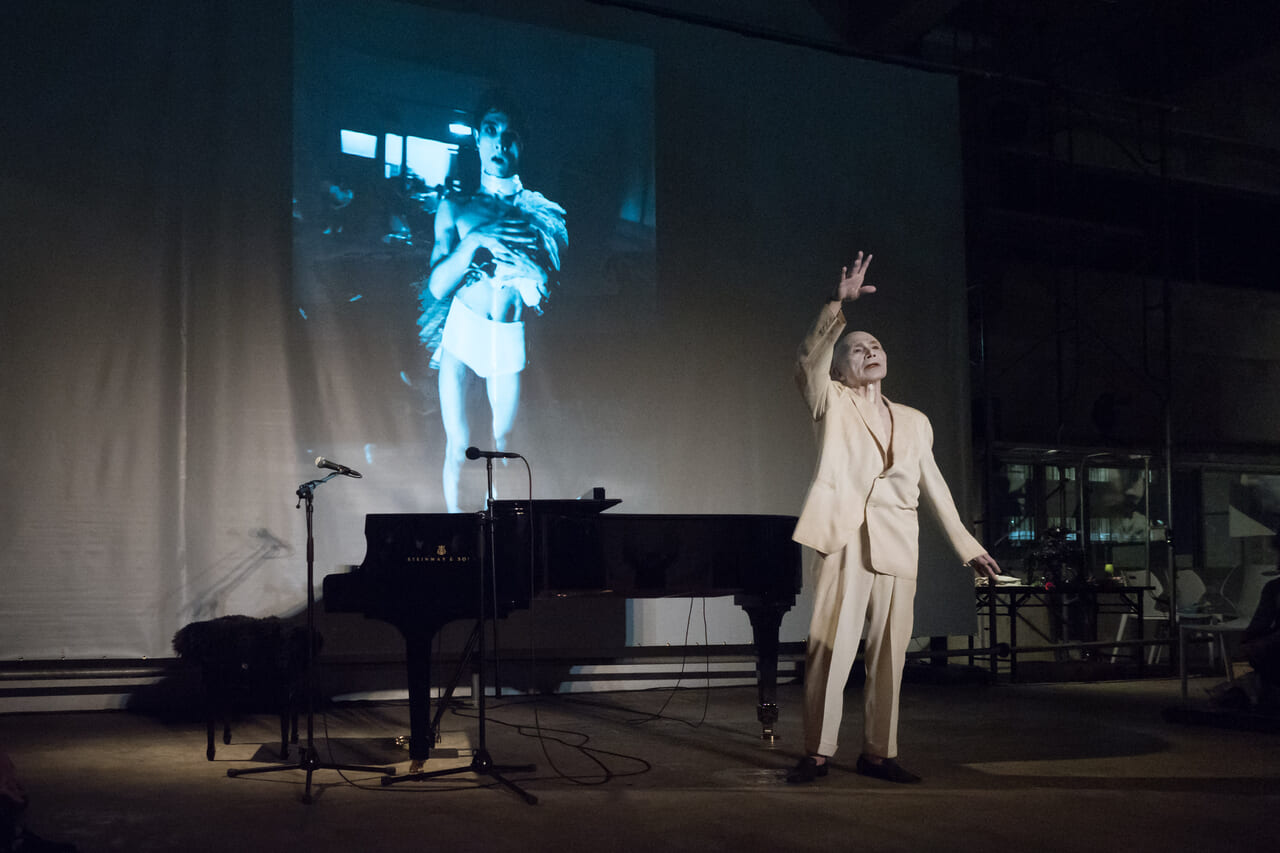
This collaboration between Yoshito Ohno and Anohni is deeply rooted in mutual respect, with Anohni holding both Kazuo Ohno and Yoshito Ohno in high regard. The two first performed together in 2010 in "Antony and the Ohnos", and later shared stages in London and São Paulo, before this performance in Tokyo. At the beginning of "Clear-Eyed Spirits", photographs taken by William Klein in 1961 of Tatsumi Hijikata, Kazuo Ohno, and Yoshito Ohno are projected onto a screen above the stage, offering a vivid glimpse into the early days of butoh. Against this historical backdrop, Yoshito Ohno takes the stage. He selects costume pieces and dances in response to Anohni’s songs, while Anohni plays the piano and sings, drawing inspiration from Yoshito’s movements. Together, they create a free and improvised performance marked by a quiet tension.
- Performer(s)
- NPO Dance Archive Network
- Director/Choreographer
- Yoshito Ohno, Anohni
- Venue
- Warehouse TERRADA G1-5F
- Year performed
- 2017
-
Come Home
"Come Home" was created in the year of the Great East Japan Earthquake, driven by a sense of crisis. In the wake of the nuclear disaster and global recession, a profound sense of stagnation set in, as many people lost their sense of direction in life, edging ever closer to collapse. As a butoh dancer, Nagaoka sought to open her body to the present world and take sincere steps on stage, hoping to resonate with the audience and share the message of living fully. All life in this world is blessed. "Come Home" is a journey toward the affirmation of life. Even death and decay are the beginnings of rebirth.
- Received the Dance Critics Society of Japan Award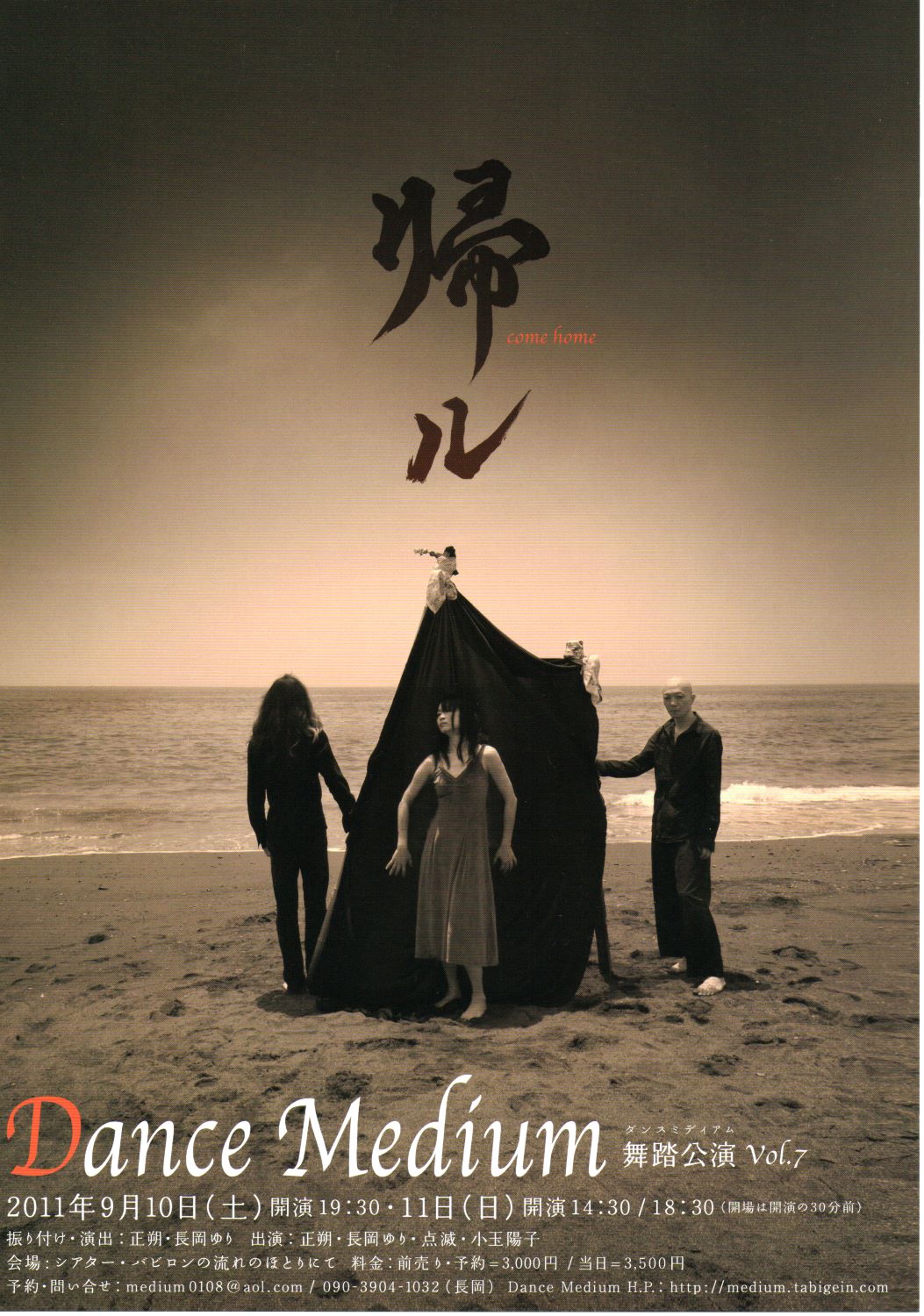
- Performer(s)
- Dance Medium Nagaoka Yuri
- Director/Choreographer
- Yuri Nagaoka
- Venue
- theatre Tokyo-Babylon
- Year performed
- 2011
-
Commercial Eruption
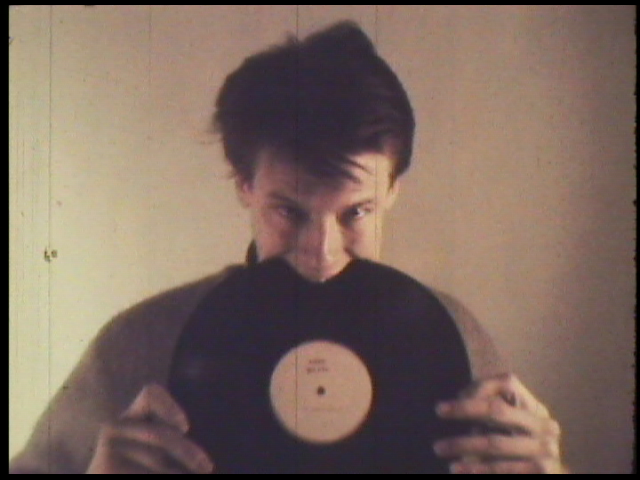
Yoshiko Chuma acts on Andy Warhol's idea of "15 minutes of fame" and translates and exaggerates them into a 1980s logic: the quarter of an hour turns into only 10 seconds that frame the numerous different protagonists’ options to present and merchandise themselves and their role models. The reference to advertising strategies of a culminating capitalism are both critical and ironic.
- Performer(s)
- Yoshiko Chuma
- Director/Choreographer
- Yoshiko Chuma
- Year performed
- 1982
-
‘Consecration of Flowers’ in Prague
This work was first performed in 1992 as part of Torifune Butoh-sha's inaugural performance, and has been performed in Japan and abroad, including at the Avignon Theatre Festival, New York and at Kamigamo Shrine in Kyoto. The work was choreographed and composed using the Hijikata notations in Mikami Kayo's master's thesis 'Study of Tatsumi Hijikata: Butoh Techniques', modelled on her friend and writer Suzuki Izumi, who committed suicide and left a child. In the first half, 'As a Ghost Passes, Embracing a Child', the following butoh notations are used: 'As a Ghost Passes, Embracing a Child', 'Flowing Neck', 'Embracing the Child', 'Moonlight', 'Sheets', 'Threads on the Ceiling' and 'Hallo'. The second half 'Days of Love' include notations such as 'Lady in Relief' and 'Three peacocks'.
- This work was specially invited to perform for the opening ceremony of the World Music Respect Festival in Prague, July 1999.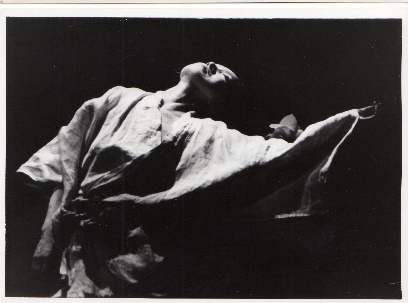
- Performer(s)
- Torifune Butoh Sha
- Director/Choreographer
- Yukio Mikami
- Venue
- The Spanish Hall, Prague Castle
- Year performed
- 1999
-
Contemporary Dance Kyōgen: Chimatakaruru Yaorozuno – Kitsune no Maki
Contemporary dance kyōgen [traditional comedy], with original script, songs and live music. A combination of theatre, ballet and puppetry, the dancers take the roles of both performers and stagehands, while also speaking lines and singing songs. With a clownish fox as the facilitator, it is a comical and fantastical portrayal of modern Japan. The first half, titled 'Hitomebore Issei Ichidai Junjohen' is a retelling of a love story between a fox and a rabbit, which premiered in 1995 to great acclaim. The second half, titled 'Fuyugare Bōkyōhen' tells the tragicomic story of a rich tanuki [racoon] and a pauper kitsune [fox].
-29th Newcomer's Award - Dance Critics Association of Japan (1997)
-Arts Foundation Grant Programme: Ueda Haruka Dance Recital 2.
Volume 1 (First half): Hitomebore Issei Ichidai Junjohen [Love at first sight]
Volume 2 (Second half): Fuyugare Bōkyōhen [Nostalgia]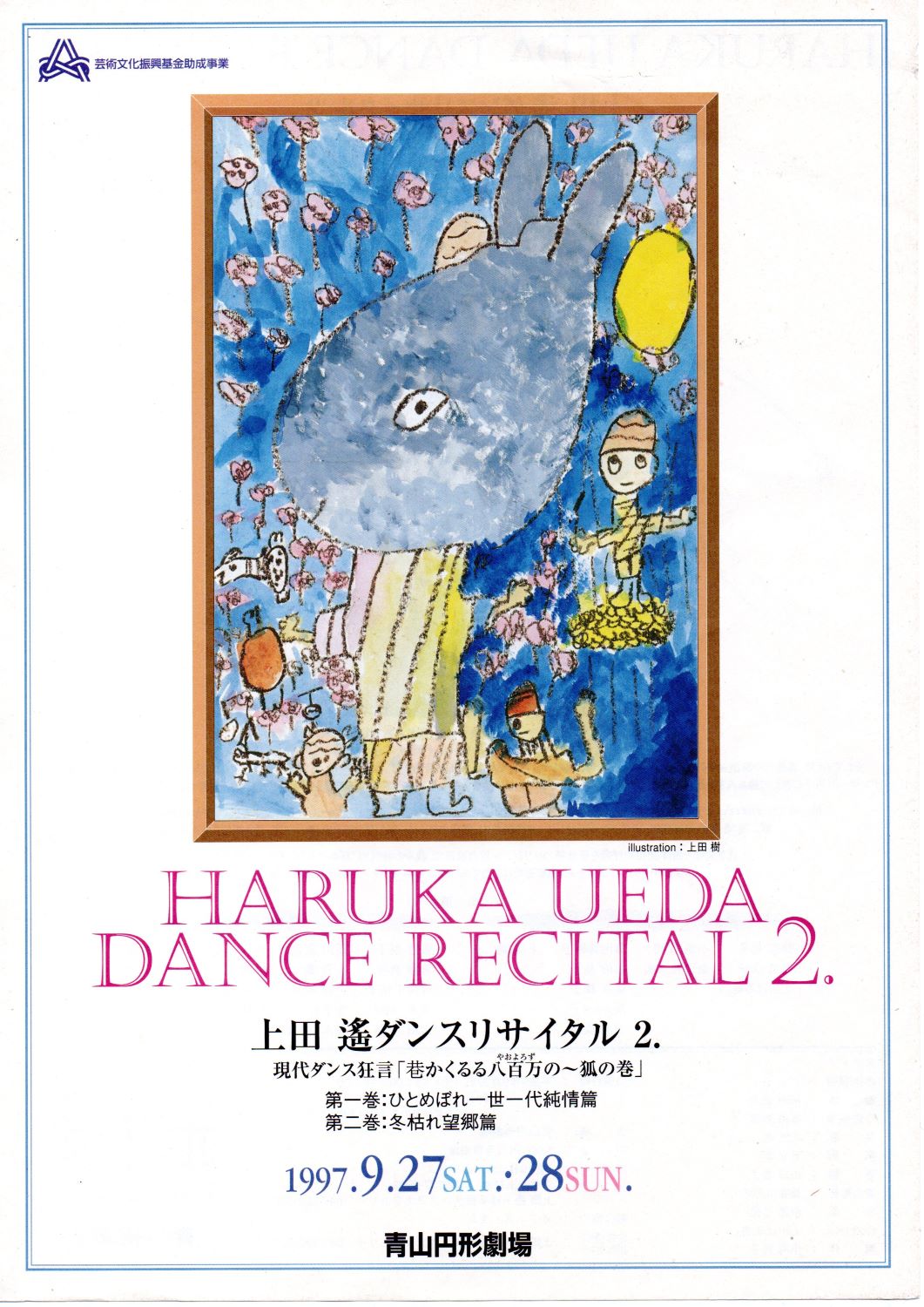
- Performer(s)
- Haruka Ueda
- Director/Choreographer
- Haruka Ueda
- Venue
- Aoyama Round Theatre
- Year performed
- 1997
-
The Crocodile Time – Study of Tick Tuck Crocodile
Solo by Anzu Furukawa, this is the fourth work in her 'Anzu'ology' series. It premiered in Tokyo 1991, and was inspired by a crocodile's sense of time as it lies still for hours on end. According to Furukawa, crocodile time has no beginning or end. If you hold your breath until your face turns red, you can experience that sense of time.
Act 1: Study of the Tick-Tock Crocodile
Act 2: Puapua the Unreasonably and Excessively Excited Maiden
-Anzu’ology: Anzu's Altas of Animals IV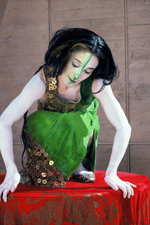
- Performer(s)
- Anzu Furukawa
- Director/Choreographer
- Anzu Furukawa
- Venue
- The Helsinki City Theatre - Studio Elsa
- Year performed
- 1995
-
Curious Fish
"Curious Fish" premiered at the San Francisco Butoh Festival in 2001 and received a five-star review at the Edinburgh Festival Fringe that same summer.
The dance piece was inspired by Minamata disease and mercury poisoning. In the 1970s, many areas of Japan were plagued by environmental pollution, and as rapid economic growth led to toxic waste in the rivers and seas, it gave rise to deformed fish. Cats, dogs, and chickens ate these fish, performing a Death Dance, and humans too fell victim by consuming them. This fragmented dance piece serves as a requiem for the spirits that could not fully manifest as human, for the lives erased before they could come into being.
- Edinburgh Festival Fringe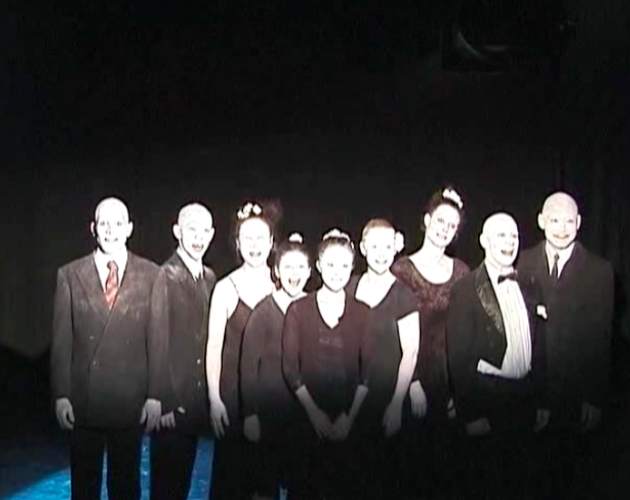
- Performer(s)
- Kan Katsura
- Director/Choreographer
- Kan Katsura
- Venue
- The Garage
- Year performed
- 2001
-
dance comes out of time – with ancestors and friends not forgotten
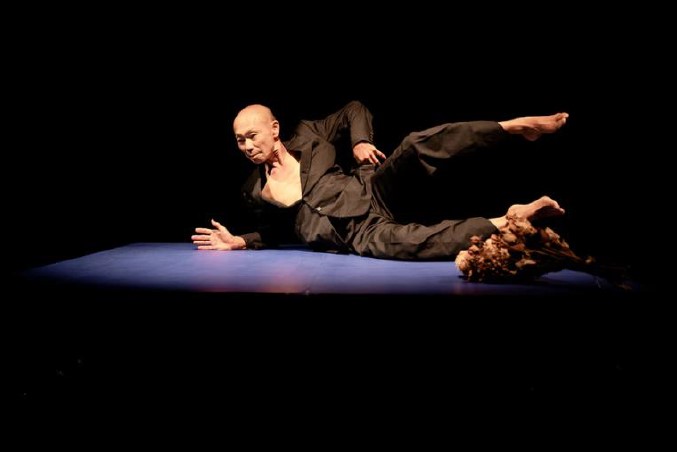
"Flower of the Season" is a series that Oguri and his wife Roxanne have been organising since 1999. This solo by Oguri was presented as part of the series, with longtime collaborator and composer Paul Chavez creating a live soundscape.
The programme notes feature a quote from Paul Bowles: "How many more times will you watch the full moon rise? Perhaps twenty. And yet it all seems limitless."
Premiered on 16 June, 2023 at the Electric Lodge in Venice, CA, USA (performance dates: 16 June 2023- 18 June 2023).
- Performer(s)
- Naoyuki Oguri
- Director/Choreographer
- Oguri
- Venue
- Teatro Ensalle (Vigo, España)
- Year performed
- 2024
-
DANCE OF DARKNESS
Butoh documentary by Edin Vélez, a pioneer of media art. While focusing on Tatsumi Hijikata and Kazuo Ohno, the film reveals butoh primarily through performance footage and interviews featuring Dairakudakan and Akaji Maro, as well as Byakko-sha and Isamu Osuka. The film is presented by Mark Holborn, an internationally active editor and designer who has contributed commentary to books by Eikoh Hosoe and Issey Miyake. Also included are an interview with Akiko Motofuji and footage of Yōko Ashikawa’s rehearsals. From Byakko-sha, Sanae Hiruta’s "Tamajarihime" is also featured.
- Performer(s)
- Edin Vélez
- Director/Choreographer
- Edin Vélez
- Year performed
- 1989
-
Dance of Prayer
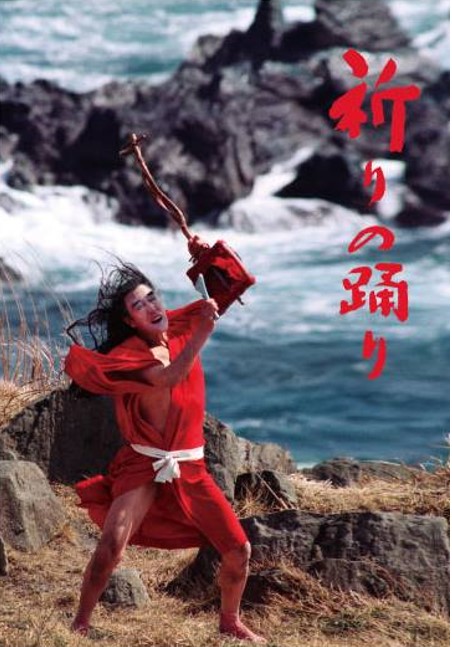
The first documentary film produced by Gilyak Amagasaki to commemorate 30 years of his street performances. At the time Gilyak had damaged the cartilage in his knee, and was uncertain how long he would be able to continue dancing for. He created the film so that others might watch his dances in the future, with recordings of nine of his performances including 'Jongara Ichidai' and 'Nenriki'. Along with footage from his performances in Sapporo and Kyoto, the film includes autobiographical elements, with scenes of his hometown Hakodate. Produced, directed and starring Gilyak Amagasaki, 1998, colour film (70min).
- Performer(s)
- Gilyak Amagasaki
- Director/Choreographer
- Gilyak Amagasaki
- Year performed
- 1998
-
The Dancer Disappears
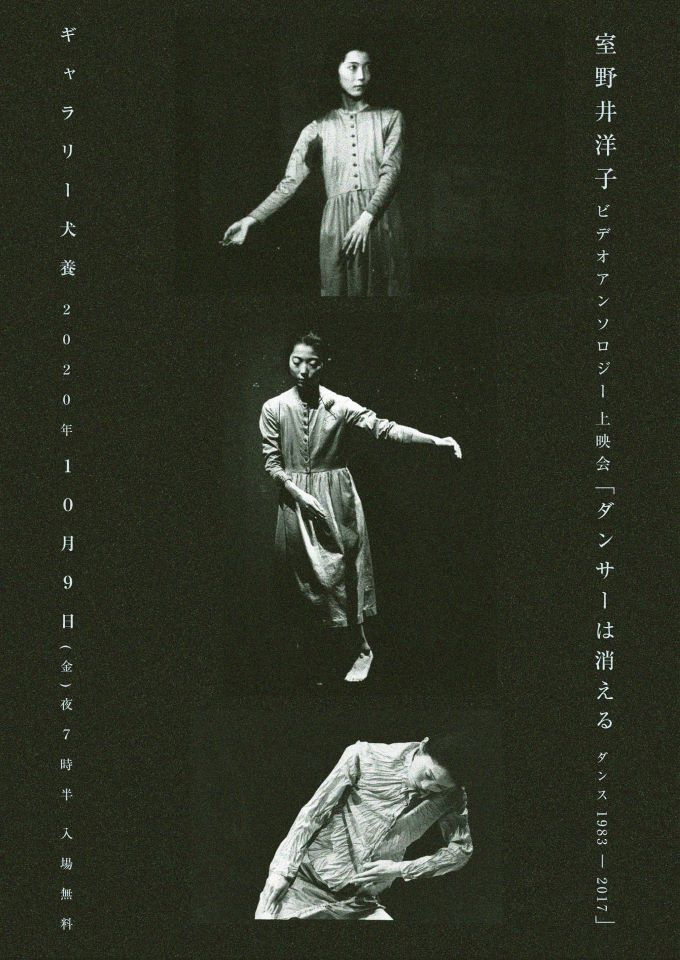
One year after Muronoi Yoko passed away in 2017 at the age of 58, a book was published called 'The Dancer Disappears'. Muronoi left behind many photographs and videos of her solo performances, and this video anthology of the same title traces her career in sequence from her first performance in 1983, to her performance at Gallery Inukai (Sapporo) in 2017.
- Performer(s)
- Yoko Muronoi
- Director/Choreographer
- Yoko Muronoi
- Year performed
- 1983

