
Dance Video Index
In this database, you will find 373 dance videos which were collected from the 2023 to 2025 fiscal years under the auspices of the EPAD (Eternal Performing Arts Archives and Digital Theatre) .
Overview
-
Rent a Body- The Last Night of Ballhaus
A site-specific performance held through the whole of the Ballhaus Theater in Berlin just before the fall of the Wall, where tensions were rising on a daily basis.
Anzu Furukawa was invited as director and choreographer to realise Delta RA'i's idea of transforming the entire venue into a dance space. With 46 dancers chosen through audition, performances went ahead after a month of rehearsals. The shows were packed out every day, and it became a legendary piece that became a talking point among Berlin artists for a while.
-Butoh dance/theatre project
-51 performers in total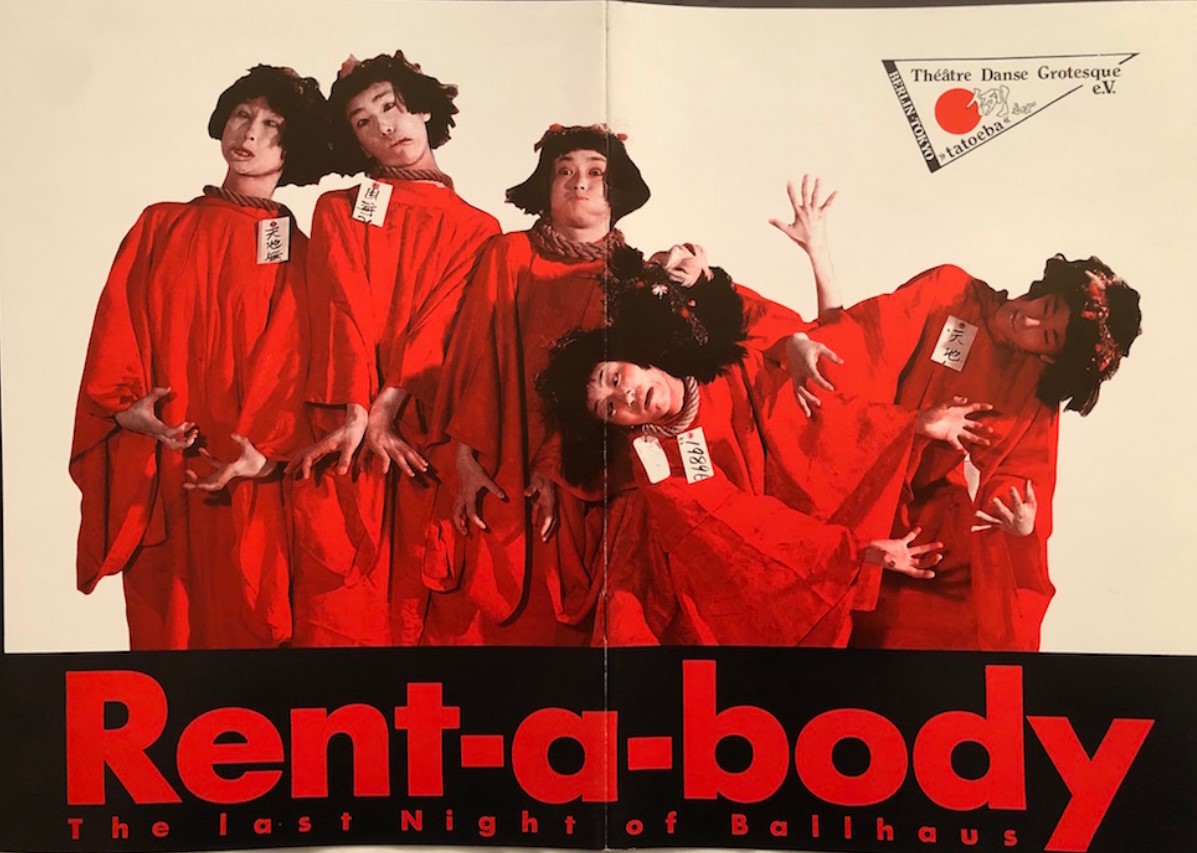
- Performer(s)
- tatoeba
- Director/Choreographer
- Anzu Furukawa
- Venue
- Ballhouse Naunynstrasse (Berlin)
- Year performed
- 1989
-
Resonance: A Return from Chaos
Goro Namerikawa Dance Art Recital. Namerikawa creates an impressive stage environment by incorporating the audience as part of the set. In this solo performance, the audience was given short iron bars named "tetsubiko" [iron vibrations] upon entering the venue, which they strike in unison midway through the performance. The stage floor is covered with metal plates, and Namerikawa’s body interacts and resonates with various stage props, including a motorised top that emits noise as it spins, as well as silver springs and steel plates that are suspended from above.
The flyer reads: "Resonance is the path that leads from chaos to the creation of all life and matter in this world..."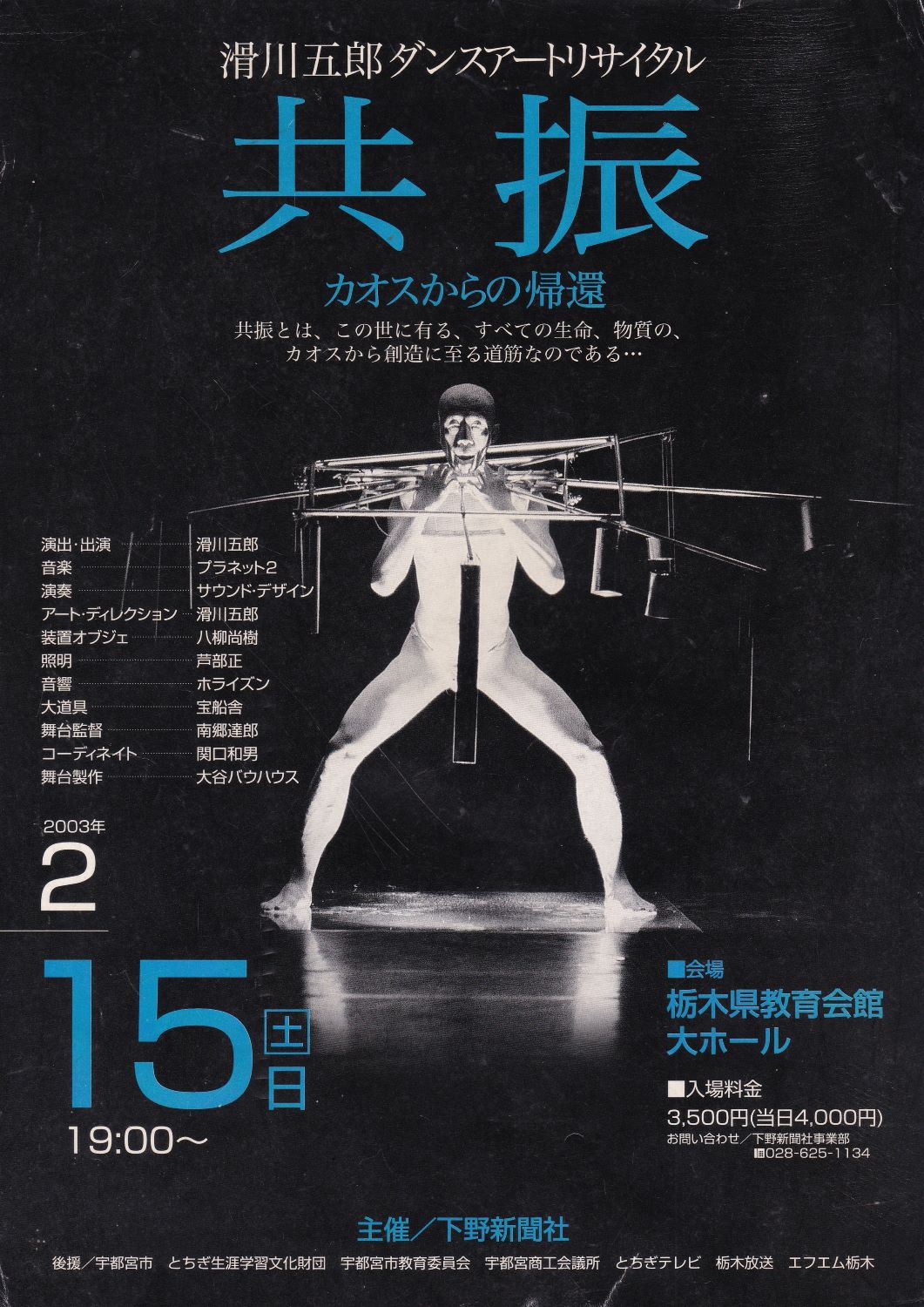
- Performer(s)
- Goro Namerikawa/Austro Arts Association Co.,Ltd.
- Director/Choreographer
- Goro Namerikawa
- Venue
- Tochigi Education Center Main Hall
- Year performed
- 2003
-
Return to the Village
My ballet instructor in New York once crumpled up a piece of paper and tossed it in the air saying 'this is ballet'. The falling of nature itself. We used to dance in front of the Opera House fountain on the way home from lessons. The flautist was a naturalist, who lived day to day with no job or home. But if his life were natural, it is too heavy. Can we marvel at beauty and let it soften our hearts without understanding it? I want to dance a dance without having to try too hard. Is that natural, or unnatural?
- Participated in the ACA National Arts Festival 1976 Excellence Award
- Awarded the ACA National Arts Festival 1976
- A full-length video of the rehearsal. The performance took place on 8 November 1976 at the Yomiuri Hall.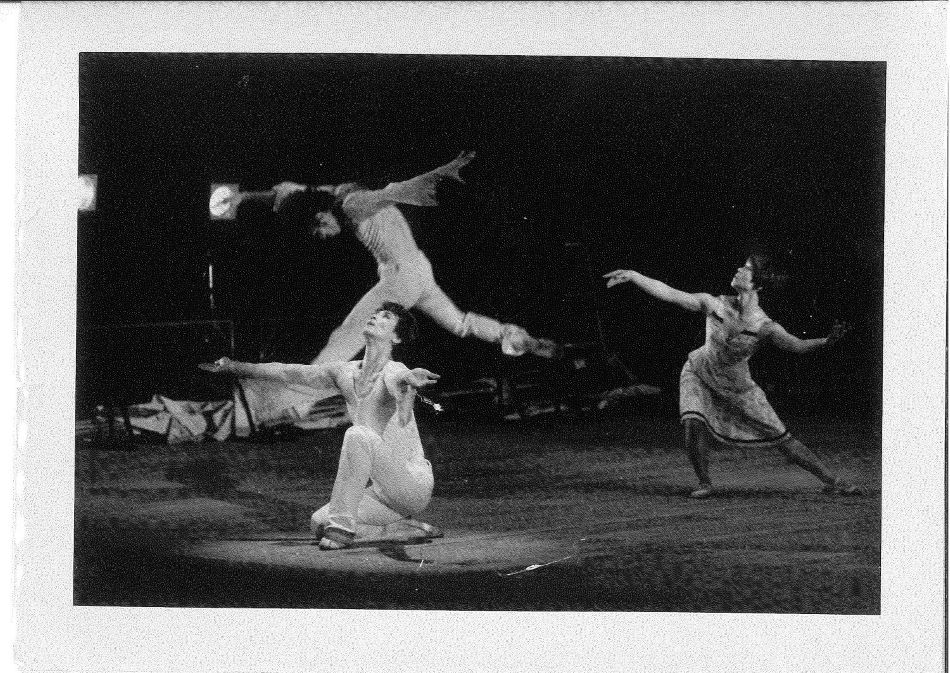
- Performer(s)
- Wakamatsu Miki & Tsuda Ikuko Free Dance Performance
- Director/Choreographer
- Miki Wakamatsu, Ikuko Tsuda
- Year performed
- 1976
-
Ridges in a Field under Moonshine
By moonlight I stand
The life of the seed, the seed of life / Will surely be sealed
At night, butterflies / cross the channel
It is not that I dance, but that / my body is invited to dance
As though there is an endless exchange between the countless full moons and blood
This is how the butoh should be danced.
(Bishop Yamada, The Butoh Chronicles III)
- Hoppo Butoh-ha Performance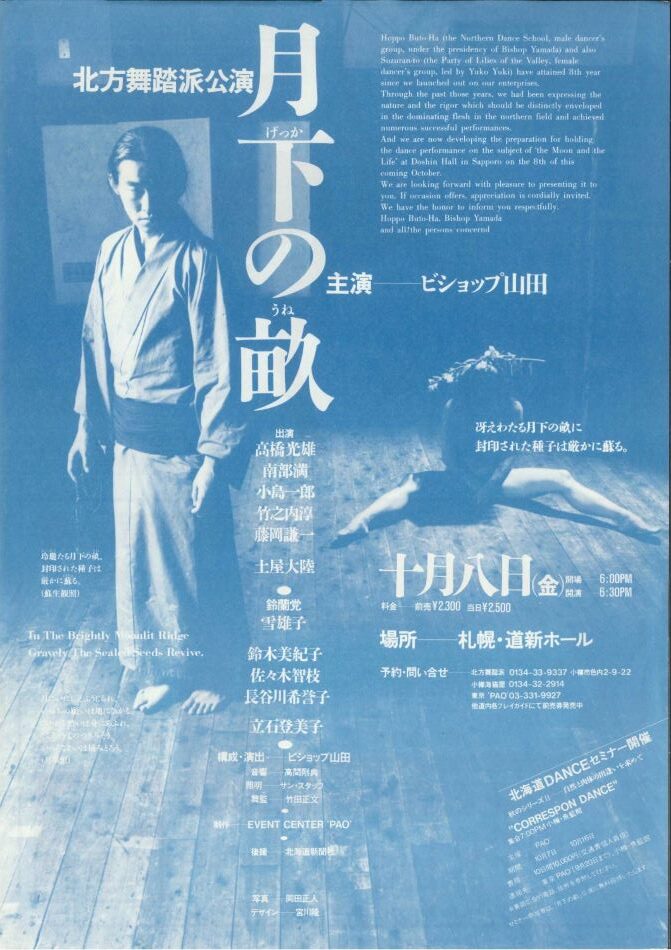
- Performer(s)
- Hoppo Butoh-ha
- Director/Choreographer
- Bishop Yamada
- Venue
- Sapporo DOSHIN HALL
- Year performed
- 1982
-
The Room
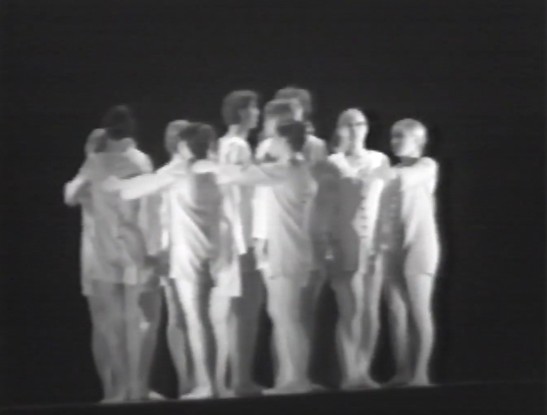
In the spring semester of 1970, a new Department of Dance was established at California State University, Fullerton through the efforts of Masami Kuni, who was teaching at the university at the time. This work was a new piece by Kuni, presented as the department's first performance. Exploring the transformation of space, the piece lasts 66 minutes and consists of eight scenes: "Vacancy," "Motion," "Bliss," "Affliction," "Meditation," "Ecology," "Rest," and "Vacancy." The footage is likely part of the dress rehearsal including "Motion," "Bliss," "Affliction," and "Meditation". Originally scheduled to be performed from May 7 to 10, the performance was postponed when then-California Governor Ronald Reagan ordered the university closed in response to escalating student protests.
- Performer(s)
- Kuni Institute of Creative Dance
- Director/Choreographer
- Masami Kuni
- Venue
- The Little Theatre at California State University, Fullerton
- Year performed
- 1970
-
Rosentanz: Critique of Pure Sexualization
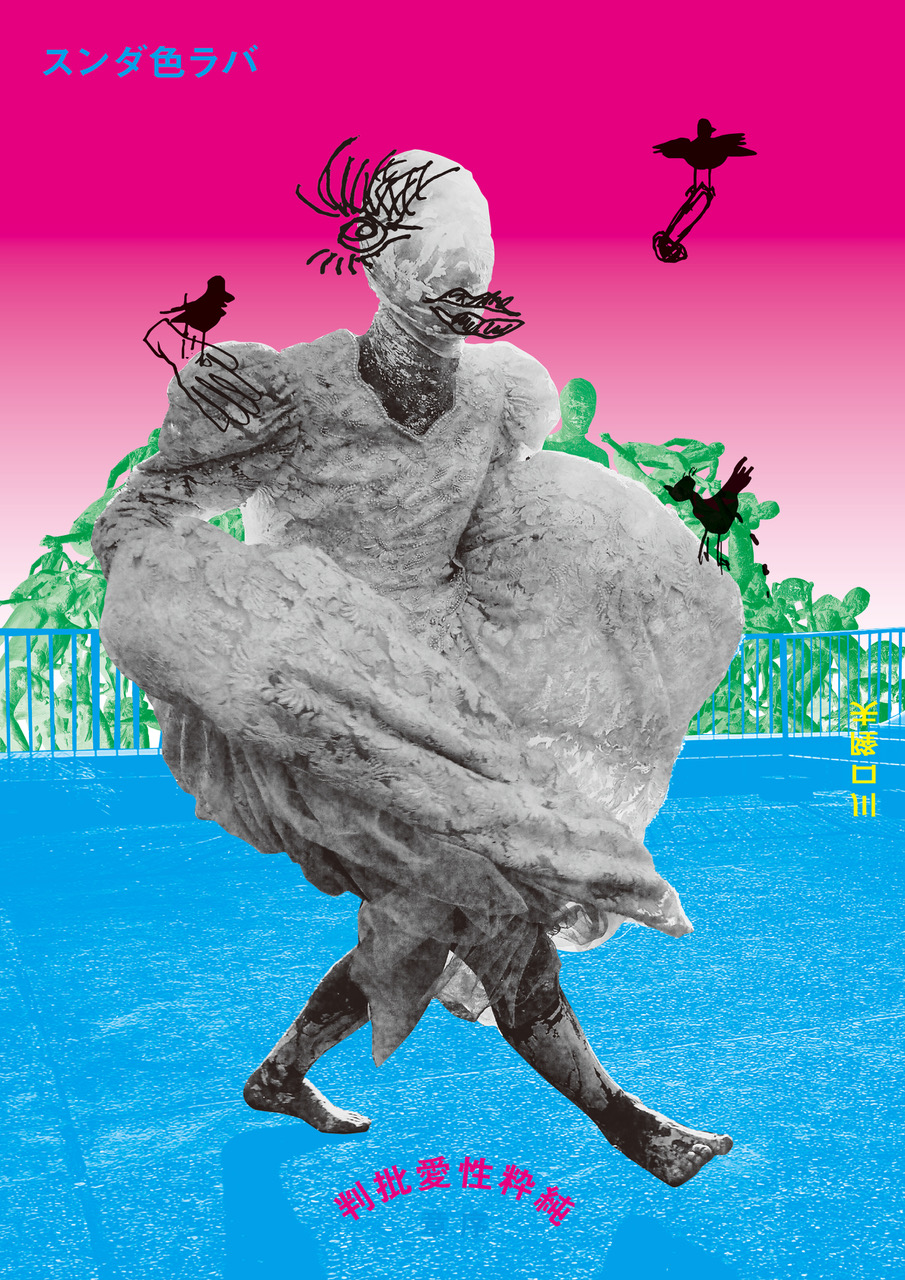
Held over three days as part of the 60th anniversary programme of the Goethe-Institut Tokyo, this event offered a 21st-century reinterpretation of Tatsumi Hijikata's legendary "Rose-Coloured Dance" (1965) viewed through a camp lens overflowing with charged, often erotic imagery. The performance featured guest artists Yohani Kibe, Namiko Kawamura, and Noriko Sunayama, each taking turns to perform on different days. A film screening programme curated by Akihiro Suzuki was also held in conjunction with the performances, aiming to broaden the context of "Rose-Coloured Dance".
- Performer(s)
- Takao Kawaguchi
- Director/Choreographer
- Takao Kawaguchi
- Venue
- Goethe-Institut Tokyo
- Year performed
- 2022
-
Rotation
“Rotation” arose from a desire for true peace, and was created with a heart that values and cherishes human life.
A flock of ungendered, neutral “humans” appears. Humans who, when facing crisis, draw upon their inner reserves like a phoenix to survive. This dance portrays the rotating nature of humans through scenes of progress, peace, joys and sorrows, crisis, pain and progress again. The work premiered in November 1967.
- The image quality is poor, due to the deterioration of the half-inch magnetic tape on which the footage was recorded.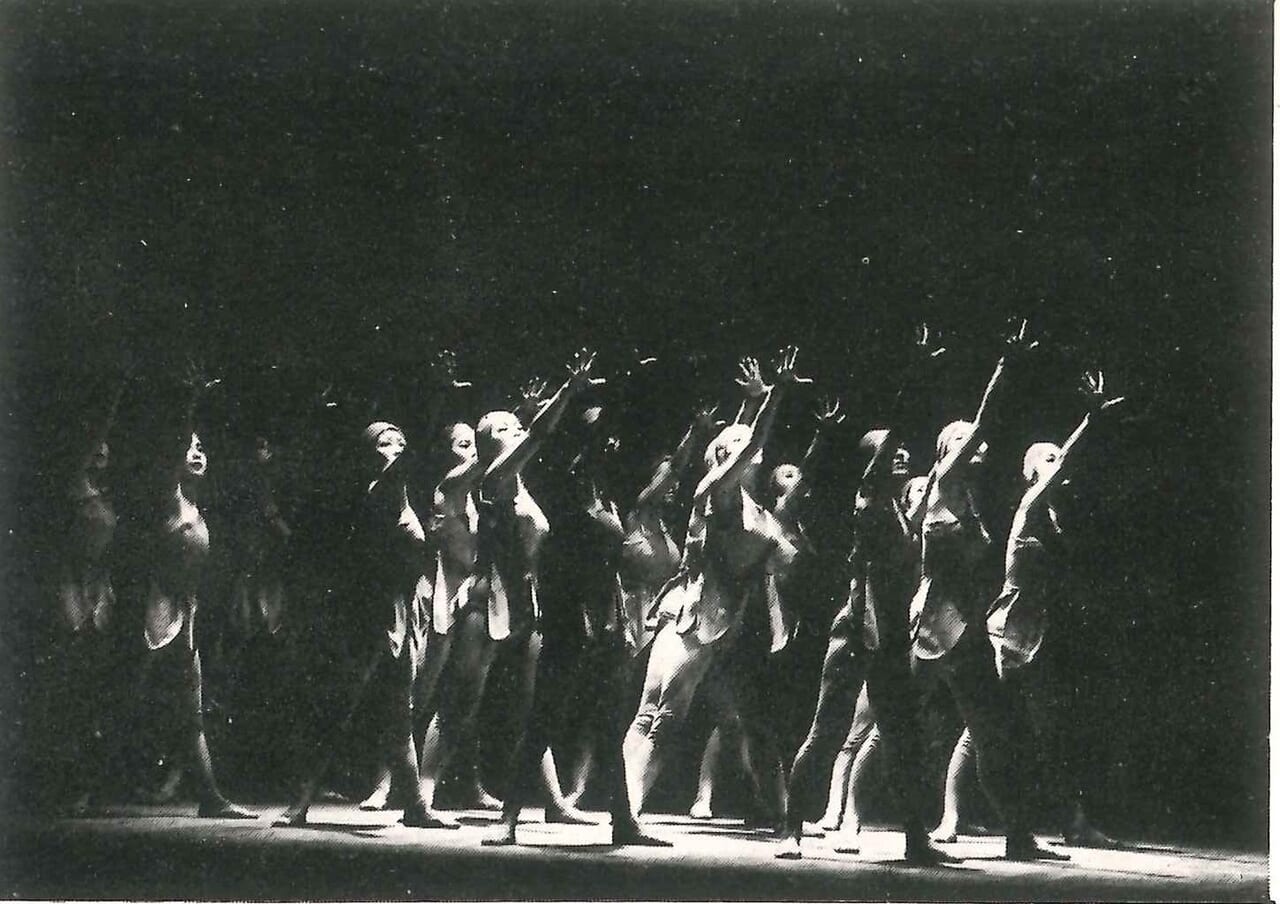
- Performer(s)
- Mieko Fuji Dance Company
- Director/Choreographer
- Mieko Fuji
- Venue
- National Theatre of Japan : Small Theatre
- Year performed
- 1968
-
Rush
This solo piece by Mieko Fuji portrays the inner turmoil of a woman in anguish and her resolve to escape toward freedom. It premiered in 1962 and is inspired by Tōkeiji Temple in Kamakura, historically known as a refuge for women seeking release from oppressive marriages. Based on a text by Takuo Endo and music composed by Enza Tsuruzawa, the work is narrated by Sumitayū Takemoto (then known as Mojitayū Takemoto), now recognized as a Living National Treasure. The dance unfolds through the scenes “Ancient Well,” “Path,” “Drought,” “Rain,” “Wind,” and “Snow.” This video documents a performance from Mieko Fuji’s dance recital in March 1968.
- The image quality is poor due to the deterioration of the half-inch magnetic tape on which the footage was recorded.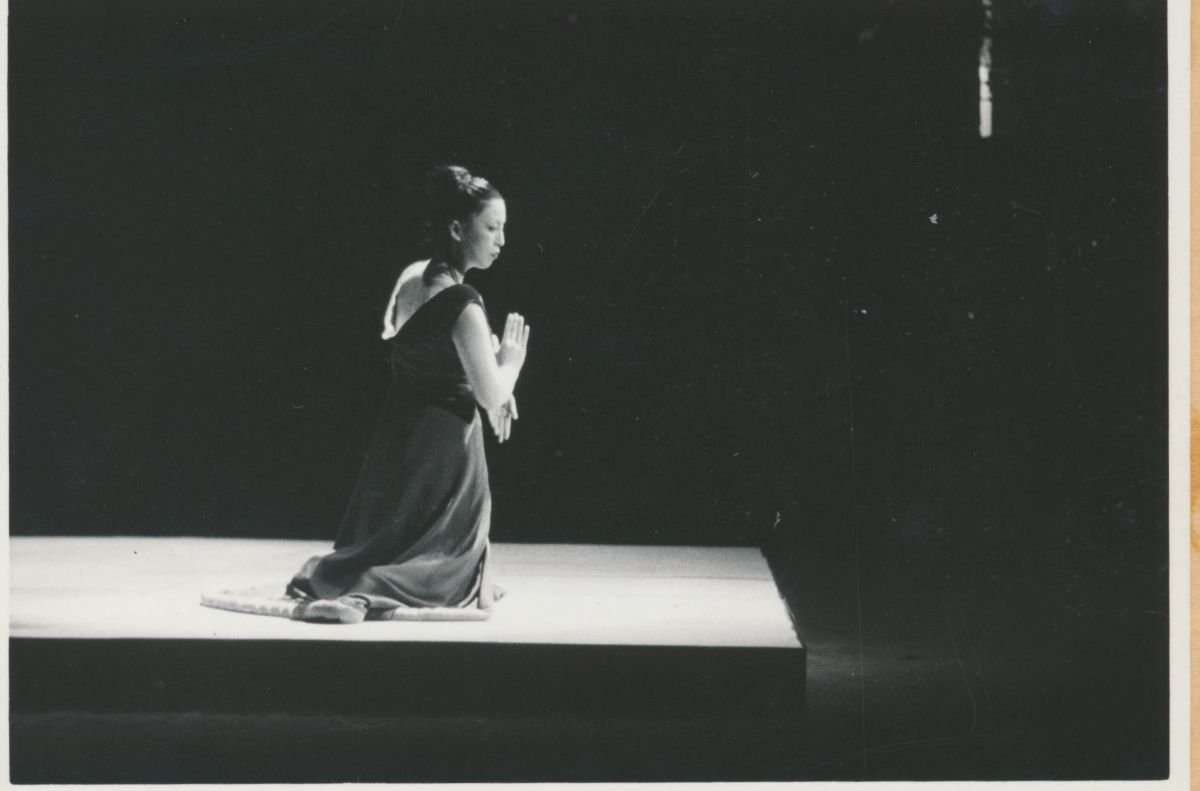
- Performer(s)
- Mieko Fuji Dance Company
- Director/Choreographer
- Mieko Fuji
- Venue
- National Theatre of Japan: Small Theatre
- Year performed
- 1968
-
Dance Oral History: Reflections on Fuji Mieko’s “Kakekomi”
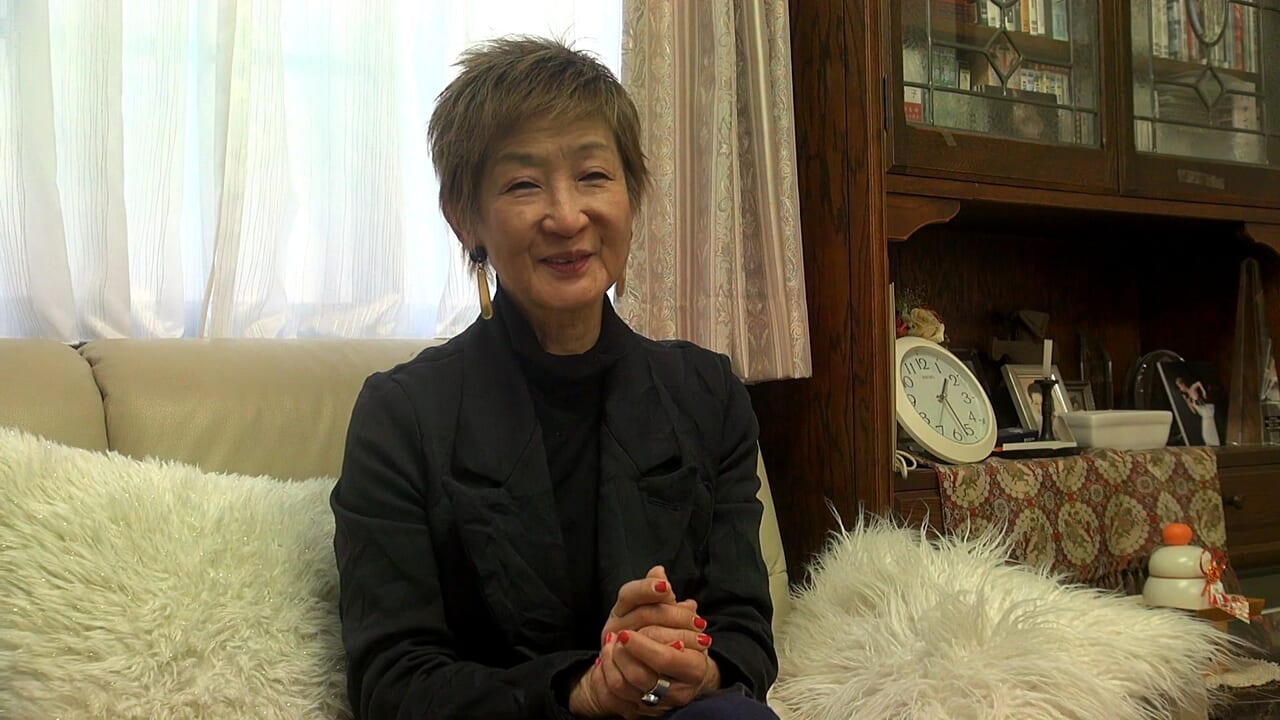
An oral history of dance in which participants recount their experiences while viewing archival footage. The speaker in this video, Hikari Baba, studied under Mieko Fuji from a young age, and participated in overseas tours with the Mieko Fuji Dance Company. She later worked in New York, and since returning to Japan has worked on choreography for operas. In 2001, she was taught the choreography for Fuji's solo masterpiece “Kakekomi (Rush)” by Mieko Fuji herself.
- Performer(s)
- NPO Dance Archive Network
- Year performed
- 2026
-
Sasara mo Sara
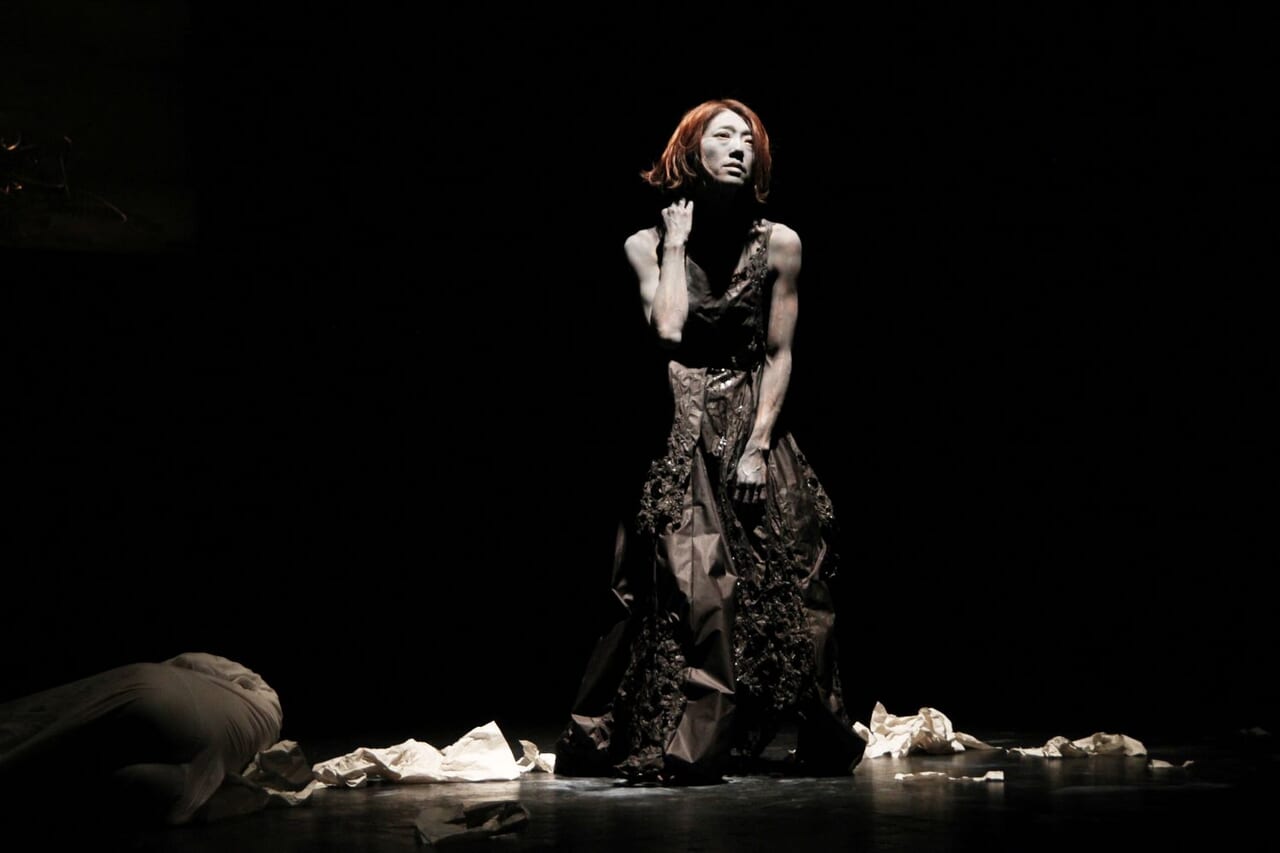
"Sasara-mosara" means "mess" in the Hiroshima dialect. Hiroshima was destroyed by an atomic bomb in 1945. A single flash of light changed everything, as if causing an extinction. The theme of the piece is 'The past, present, and future of the atomic bomb'. The work does not depict the atomic bomb itself, but rather presents the complex emotions of sadness, hatred, fear and anger caused by the bomb, and the absurd, ongoing historical and global situations as a universal image.
- Performer(s)
- Yuko Kawamoto
- Director/Choreographer
- Yuko Kawamoto
- Venue
- d-soko Theater
- Year performed
- 2016
-
The School of Hard Knocks
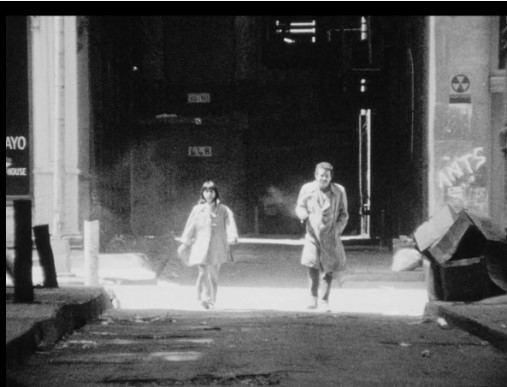
The film travels through the urban canyons, parking decks and rooftops of New York, where choreographer Yoshiko Chuma and actor John Nesci explore the textures and architecture of the city through engagement with movement and objects. Finally, the journey leads to the natural landscape of Maine where Jacob Burckhardt’s camera captures the movements of leaves, water, light, and a raft floating in the fog. Created in 1980.
- Performer(s)
- Yoshiko Chuma
- Director/Choreographer
- Yoshiko Chuma
- Year performed
- 1980
-
The Sea of Memoriz
When we die, we are divided into two types of people: those who leave this world with hatred, and those who let bygones be bygones and are left surrounded by pleasant memories. It seems people can in fact rewrite their memories. Two people who rewrite the memories of a bad separation can fill the hole left in their hearts, and when they leave this world, their ill feelings disappear.
- Participated in the 12.Int Tanztheaterfestival Graz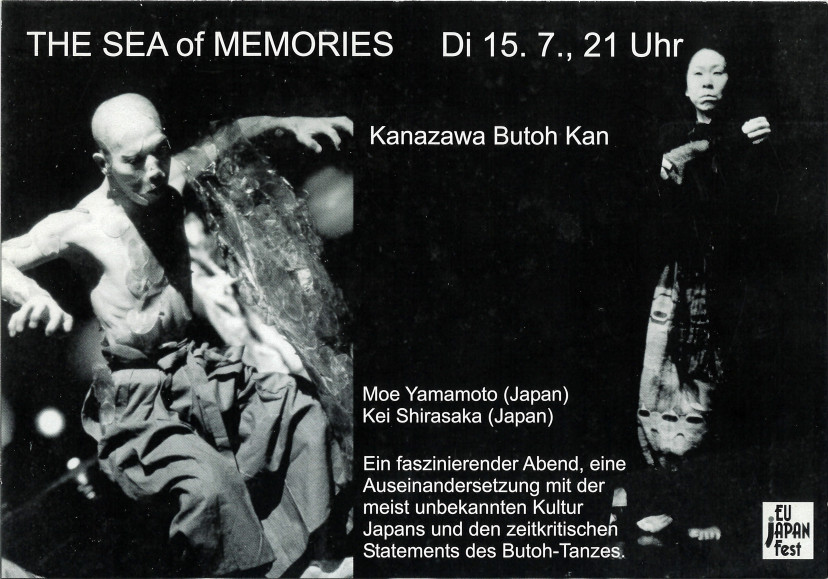
- Performer(s)
- Kanazawa Butoh Kan
- Director/Choreographer
- Moe Yamamoto, Kei Shirasaka
- Venue
- Theater im Palais (Austria)
- Year performed
- 2003
-
Sea of Time
Koichi Tamano, who studied under Tatsumi Hijikata at Asbestos-kan from 1964 and was nicknamed by him as 'Nijinsky with crab legs', formed the Harupin-ha group in 1972, before moving to San Francisco in 1979 where he helped establish butoh in the USA. He continued to perform many times in Japan after emigrating, as a guest performer in Dairakudakan performances and working with the composer Kitarō on tours of Japan. 'Sea of Time' is his own piece, presented in Osaka, which included participation by some of his students from the USA.
- Koichi Tamano Butoh Performance
- Performer(s)
- TORII HALL
- Director/Choreographer
- Koichi Tamano
- Venue
- TORII HALL
- Year performed
- 1996
-
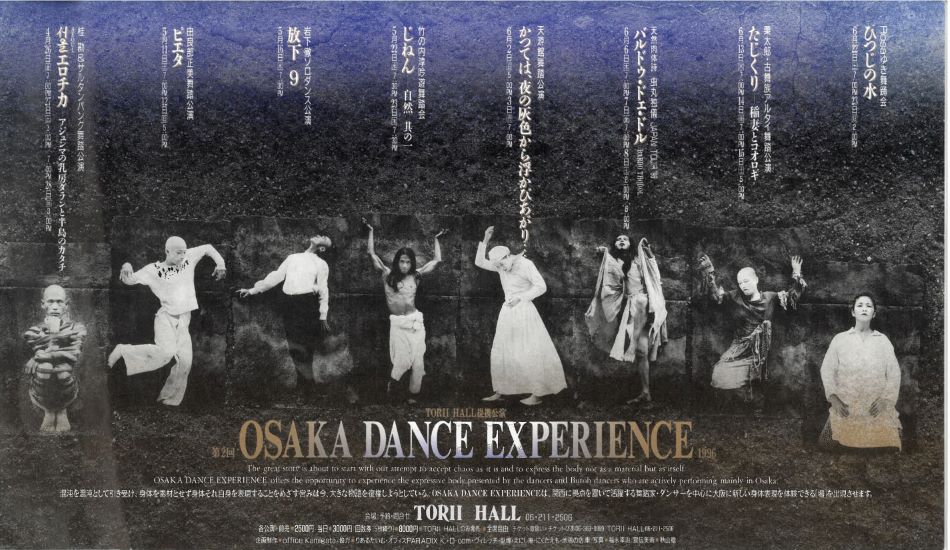
서울 (Seoul) Erotica – Ajumma’s Breast and Shape of a Peninsula
Since time immemorial, many white shadows have haunted the Japanese people. The moment we set foot in the Korean peninsula, they begin to shine brightly. These shining white shadows are not angry. We just want to quietly listen.
- Participated in the 2nd OSAKA DANCE EXPERIENCE
- Kan Katsura & Sultan Bank Butoh Performance
- Performer(s)
- TORII HALL
- Director/Choreographer
- Kan Katsura
- Venue
- TORII HALL
- Year performed
- 1996
-
SHARANPOKA
Mitsuyo Uesugi's first solo butoh performance on returning to Japan, after working with Catherine Diverrès in France for three years. A captivating piece, she was described as capturing the space 'not with the breadth of movement, but with the difference in presence' and 'repressed movement'. 'The love (eros) within her is complete.' (Masatoshi Satō, Terpsichore News).
-Mitsuyo Uesugi Solo Butoh Performance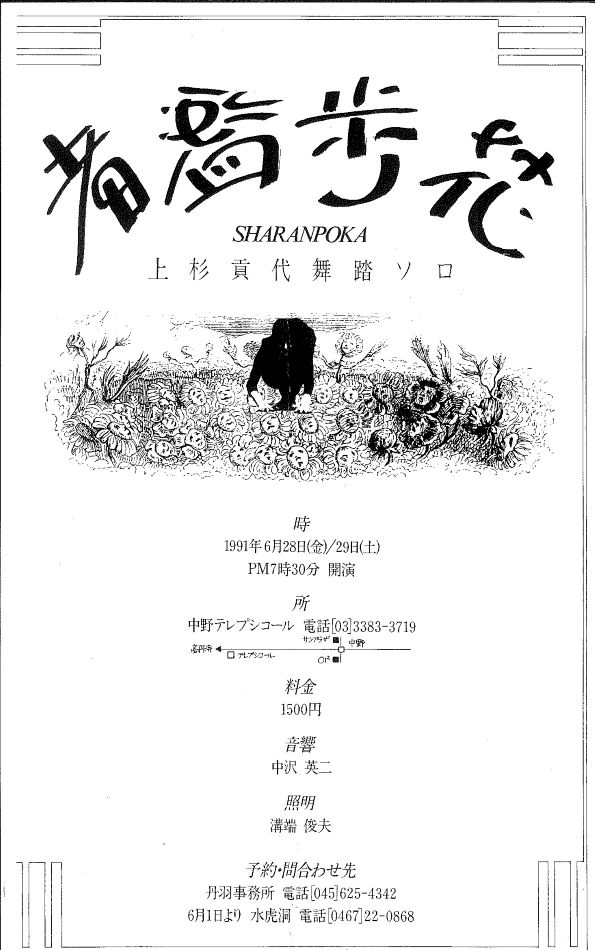
- Performer(s)
- Mitsuyo Uesugi
- Director/Choreographer
- Mitsuyo Uesugi
- Venue
- Terpsichore (Nakano, Tokyo)
- Year performed
- 1991
-
SHE
The music consists entirely of Maria Callas and Bach arrangements. Highly acclaimed, 'she showed absolute control of the body, with incredible power and extreme fragility' (Peter Bu, Le Figaro, 7 August 1997). 'She explored every inch of the female figure, stereotyped as it has been for eternity. Everyone is brought into that moment. She tells the story of a state of mind, transforming her whole body in an astonishing way' (Du Théâtre, Autumn 1997, no. 18). The work toured 25 times across 6 countries.
-Mitsuyo Uesugi Solo Butoh Performance at the Mimos Festival Perigueux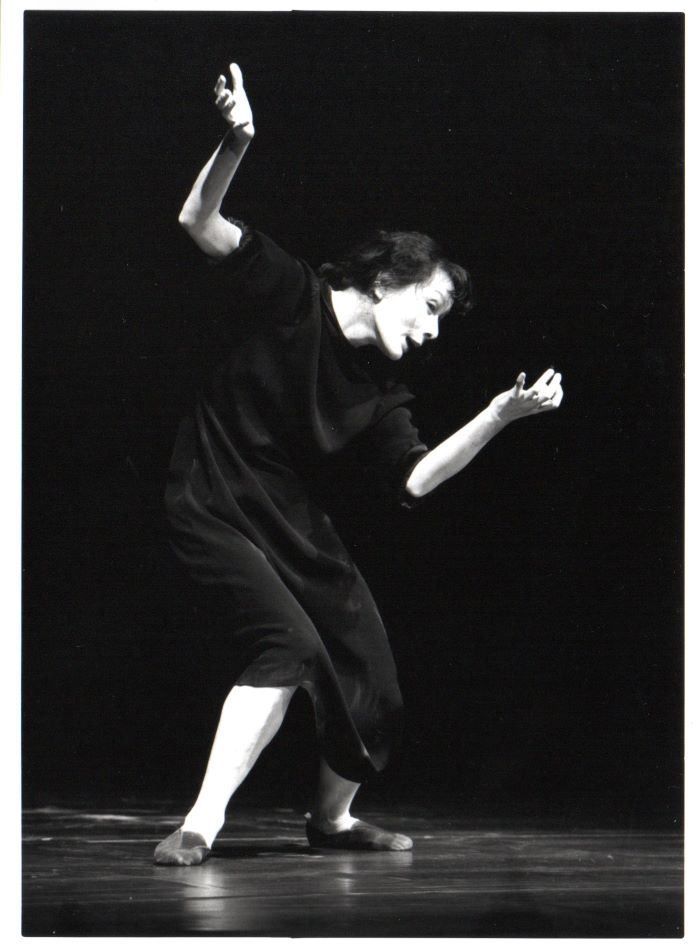
- Performer(s)
- Mitsuyo Uesugi
- Director/Choreographer
- Mitsuyo Uesugi
- Venue
- LE PALACE
- Year performed
- 1997
-
Küchenzigeunerin: She’s Run Off to Join the Gypsies
A commemorative performance by Anzu Furukawa in preparation for her participation in the first European butoh festival in Berlin in 1986 (organised by Künstlerhaus Bethanien), in which she was invited to perform. Five years later, in 1991, Furukawa moved to Berlin and began teaching at the Braunschweig University of Art.
-Anzu Furukawa 1986 Berlin Festival Invitation Commemorative Ball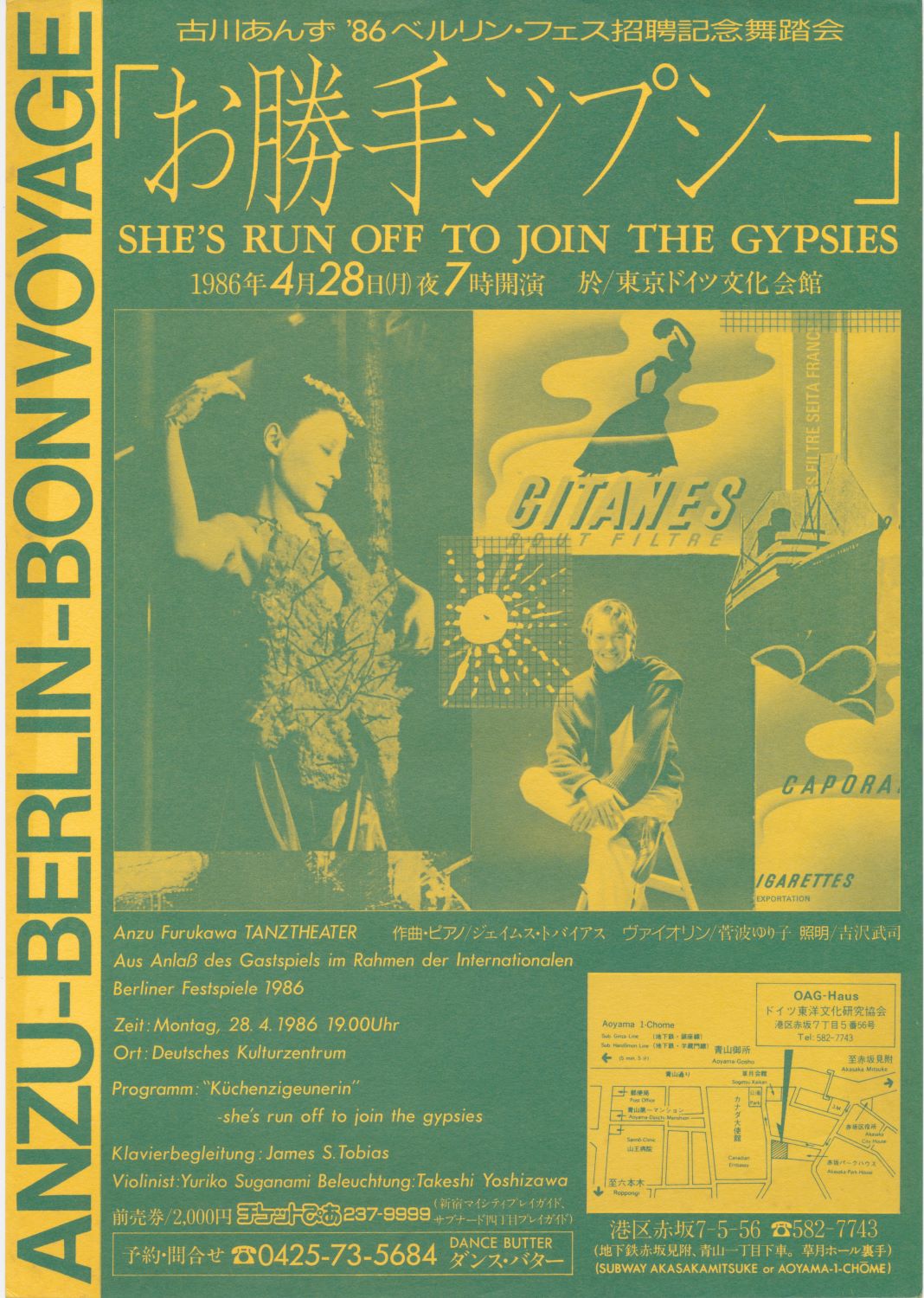
- Performer(s)
- Anzu Furukawa
- Director/Choreographer
- Anzu Furukawa
- Venue
- Goethe-Institut Tokyo
- Year performed
- 1986
-
Shining City of the Moon God
Documentation of "Shining City of the Moon God", performed by Byakko-sha alongside a grand musical ensemble for Kumano Spark (Kumano International Art Festival) for which Byakko-sha's founder, Isamu Osuka, served as artistic director. Produced exclusively for the festival, this work was directed by Osuka. During the festival, whose theme was "integration with nature", a temporary 130-meter bridge was constructed to Bentenjima [Benten Island] in Nachi Bay (Wakayama Prefecture), creating an open-air theatre on the sea with the island's large rocks serving as a backdrop.
The Kumano International Art Festival was held as part of the World Resort Expo.
-Kumano Spark: Kumano International Art Festival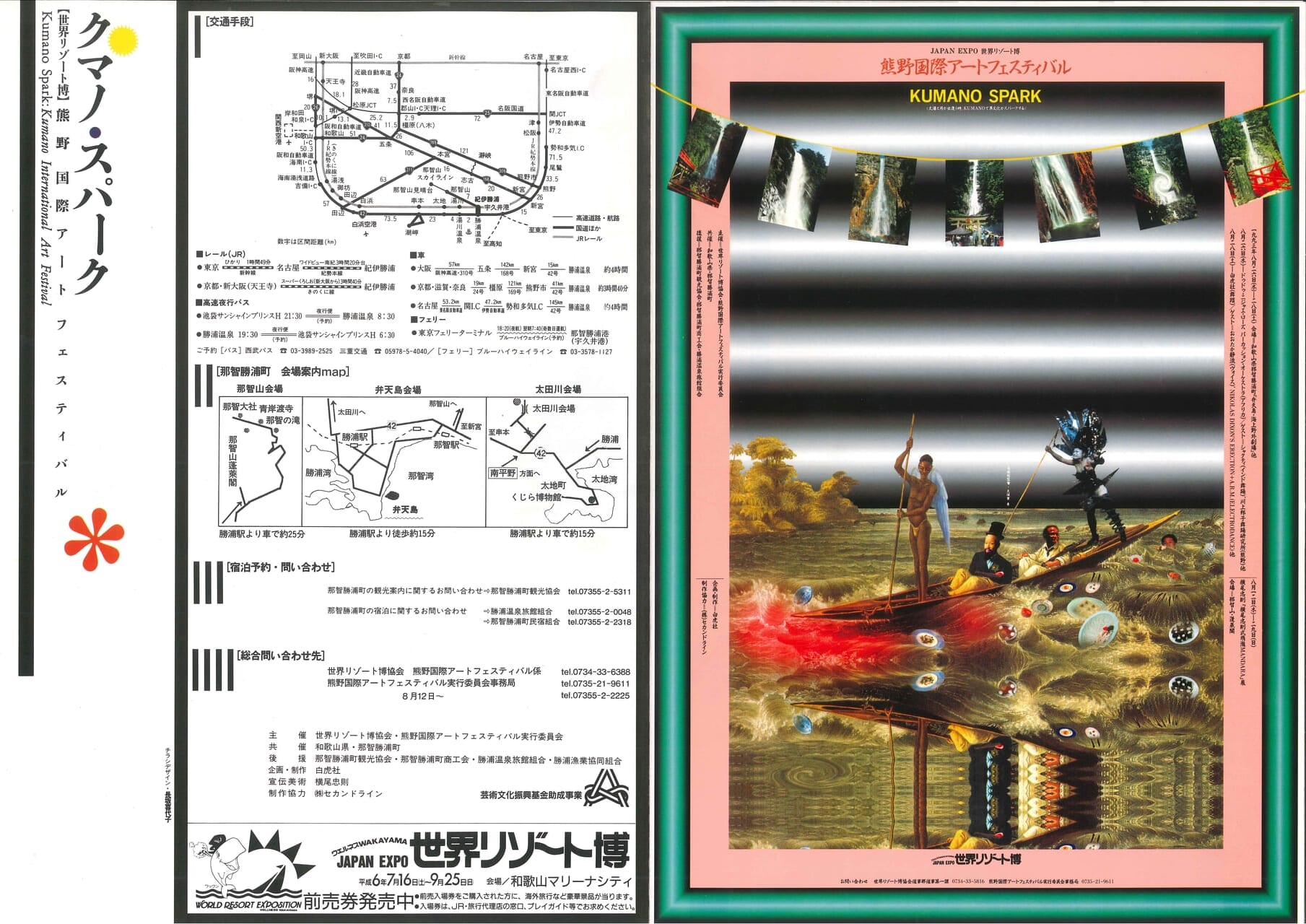
- Performer(s)
- Byakko-sha
- Director/Choreographer
- Isamu Osuka
- Venue
- Bentenjima Marine Open Air Theatre
- Year performed
- 1993
-
Shinjuku Station Rush Hour Tango and others (from ‘Clown’s Lane’)
Shinjuku Station Rush Hour Tango', created in the 1970s, is one of Yoneyama Mamako's best known works. A scathing satire of people passing through the station in a 'pankago' - her own original form of performance combining pantomime with witty song and narrative.
The video is from the 1984 solo mime recital 'Clown's Lane', which included the following pieces: 'Tako o Ageru Kodomo' [Child Flying a Kite], 'Onna no Seicho' [Growing Woman], 'Zō no Hanashi' [Elephant Story], 'The Button War', 'Shinjuku Station Rush Hour Tango', 'Sora o Tobu Otoko' [The Flying Man] and 'Piero no Tama' [The Clown's Balls].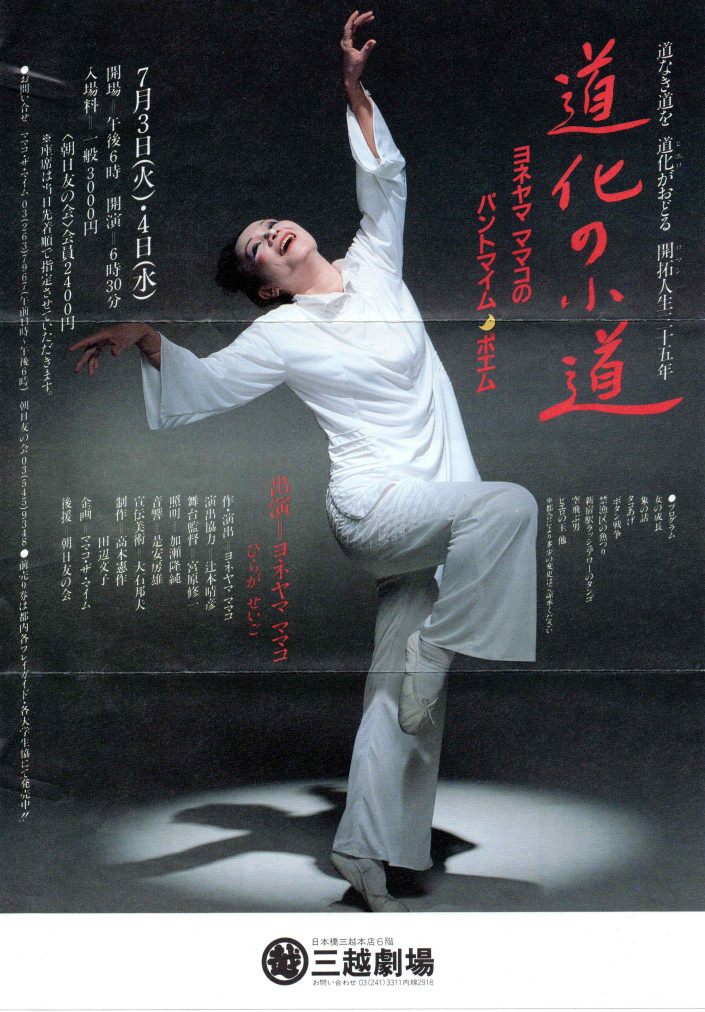
- Performer(s)
- Mamako Yoneyama
- Director/Choreographer
- Mamako Yoneyama
- Venue
- Mitsukoshi Theater
- Year performed
- 1984
-
Shinshoku
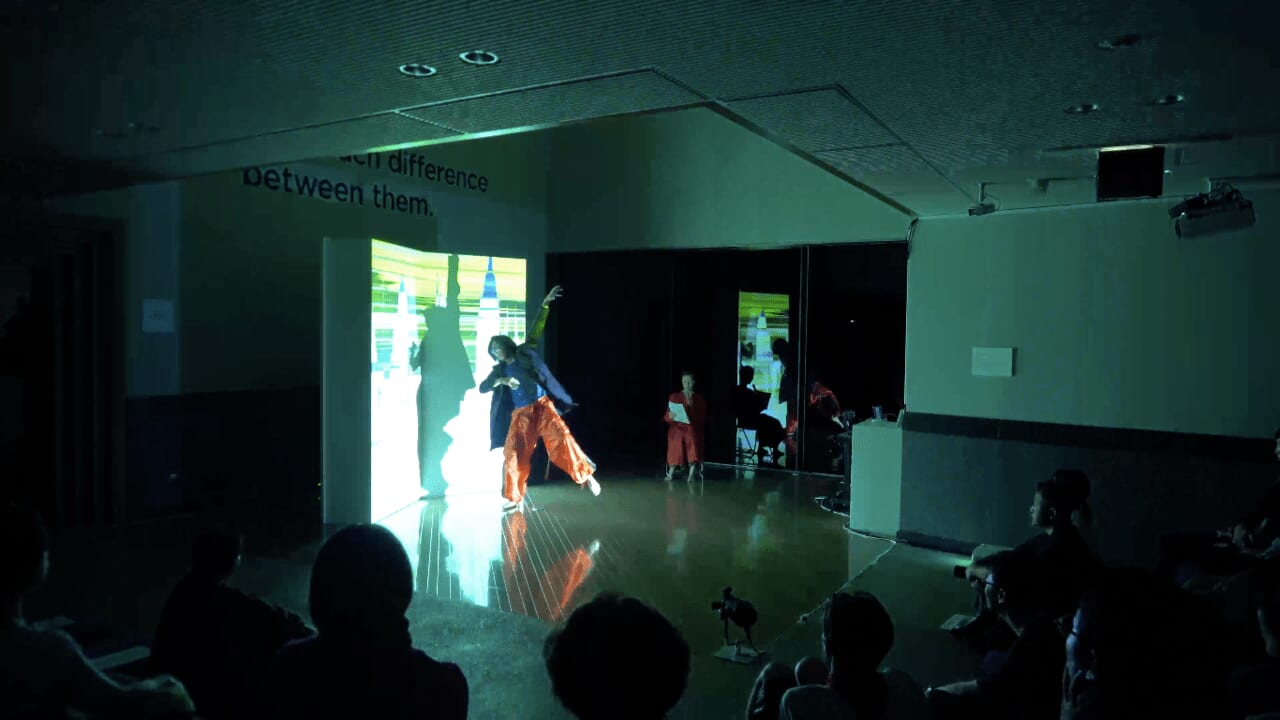
A loosely structured series of solo scenes in which one performer dances to a text read by the other, interspersed with duets where both dancers move to sounds and music. It was first premiered at the Drama Studio in Kanazawa Civic Arts Village in February 2024, and this new version was specially adapted for this venue. The word "Shinshoku" was coined to describe this project, which explores the possibility of whether the body can exist independently from or merge with another’s physical and personal space.
- Performer(s)
- Mitsutake Kasai × Naoka Uemura
- Director/Choreographer
- Mitsutake Kasai, Naoka Uemura
- Venue
- Kinosaki Literary Museum
- Year performed
- 2024

